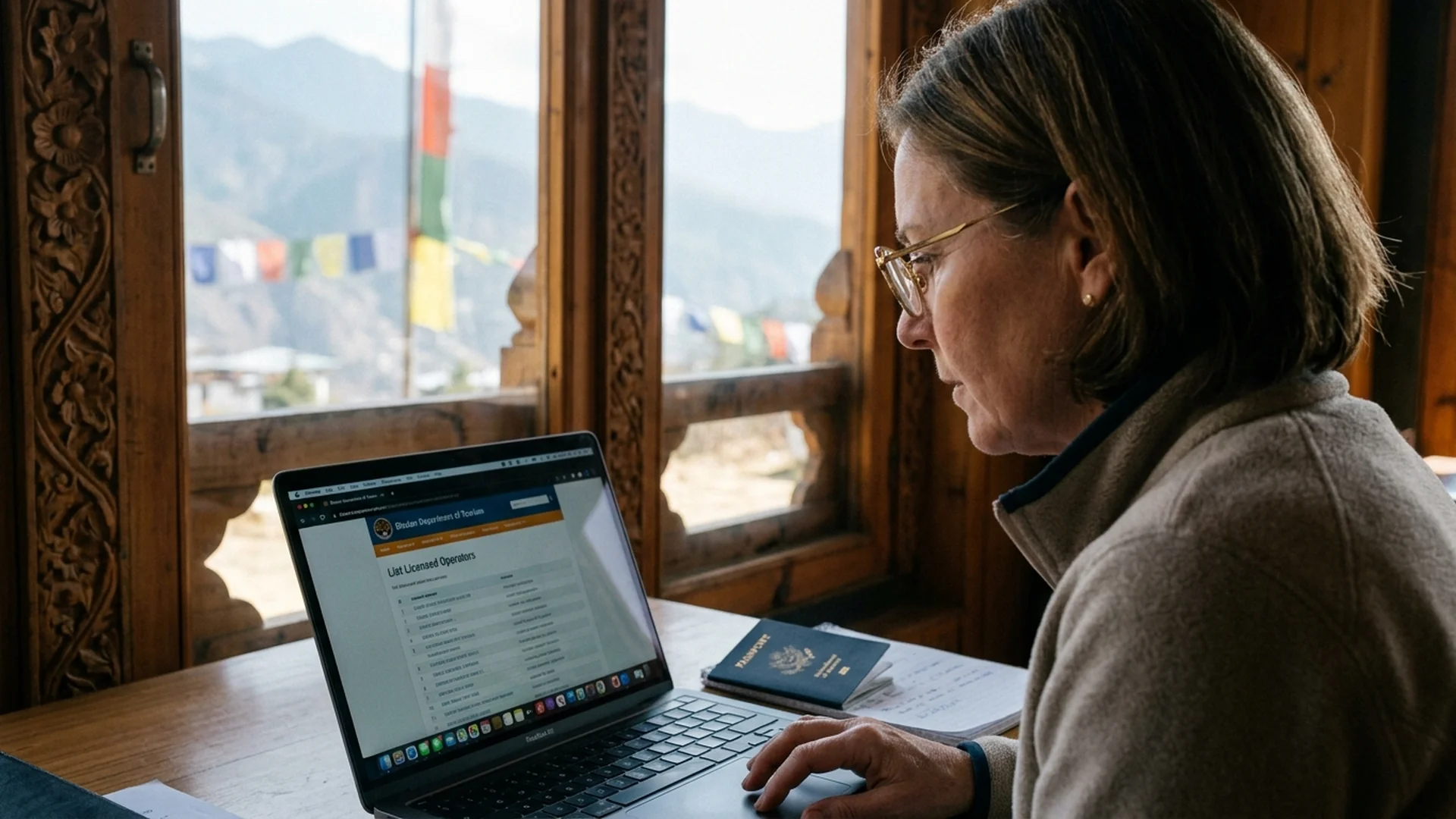
Amidst the mist-shrouded peaks of the mighty Himalayas, a journey into the Kingdom of Bhutan transcends mere geography; it is a profound crossing through time and consciousness. Yet behind the pristine beauty of this Gross National Happiness sanctuary lies a carefully curated travel architecture designed by the royal government to rigorously protect its delicate ecology and living culture. Choosing your operating partner is therefore not merely a logistical arrangement, but the selection of an architectural framework of trust that will seamlessly orchestrate your entire Himalayan sojourn.
For discerning travelers seeking absolute perfection, understanding the underlying mechanics—from the Sustainable Development Fee (SDF) structure to vetting certified local partners—is the master key to transforming a holiday into an indelible memory. This editorial delves deep into the essence of selecting an elite Bhutan tour operator, ensuring your footsteps across the Land of the Thunder Dragon unfold with supreme peace of mind and enduring value.
Decoding Department of Tourism Standards and Bhutanese Financial Transparency
The cornerstone of selecting an exemplary Bhutan tour operator lies in verifying their legal standing and formal certification by the Department of Tourism. A distinguished, compliant operator maintains a transparent, traceable license number. Engaging a legally verified agency not only ensures emergency safety protocols but also guarantees privileged access to quotas, elite tier-one accommodations, national carrier allocations, and rigorously trained cultural guides.
Furthermore, absolute clarity in pricing structure serves as the benchmark of professional integrity. Travel expenditures in Bhutan include the Sustainable Development Fee (SDF), a government-levied investment directed toward infrastructure, education, public health, and net-zero carbon initiatives. Leading tour curators itemize these allocations transparently, ensuring zero hidden costs while clearly delineating expenditures for four-to-five-star sanctuaries, domestic transfers, and bespoke enhancements.
Private Tailor-Made vs. Joint Itineraries: Defining Your Travel Philosophy
Determining your mode of travel is an essential reflection of personal taste and distinct desires. For travelers prioritizing uncompromising privacy and fluid adaptability, a private tailor-made tour remains the definitive choice. This bespoke approach allows itineraries to shift organically with weather patterns, specialized academic interests—such as in-depth Buddhist philosophy or landscape photography—or remote village explorations, all while securing premier accommodations across the valleys like Amankora, Como Uma, or Six Senses.
While fixed joint group tours offer budgetary efficiencies and social camaraderie, they inherently lack the fluidity required for an unhurried, reflective Himalayan expedition. Consulting with master itinerary designers enables high-net-worth guests to unlock the full potential of Bhutanese geography, entirely unfettered by rigid schedules or pre-determined group constraints.