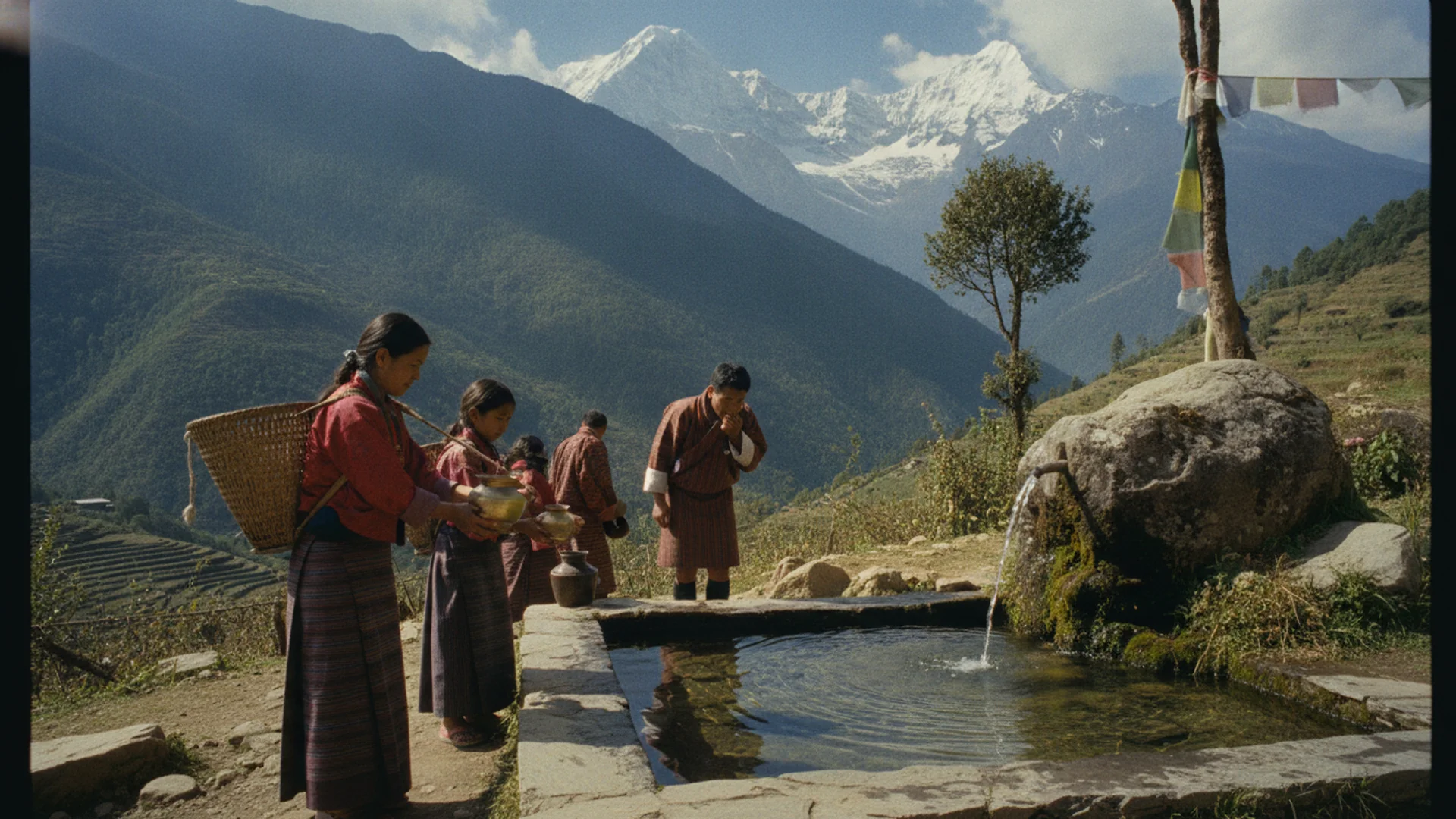
Amidst emerald forests, snow-crowned Himalayan peaks, and crystalline alpine streams, the Kingdom of Bhutan beckons travelers seeking profound stillness and spiritual rejuvenation. Yet beneath this pristine surface lies a physical reality that discerning globetrotters must navigate: the subtle nuance between nature’s apparent purity and urban municipal infrastructure. Understanding this balance is the key to ensuring an unhurried, flawless sojourn in the Land of the Thunder Dragon.
Holistic wellness travel in Bhutan extends far beyond breathing mountain air or meditating within ancient sanctuaries. It encompasses the mindful preservation of inner equilibrium amidst a robust, chili-forward culinary culture and remote geography. Selecting water sources and savoring local delicacies with intention transforms an extraordinary journey into an uncompromised restorative experience.
The Reality Behind the Mountain Streams: Navigating Hydration in Bhutan
Bhutan is rightfully celebrated as one of the most ecologically immaculate sanctuaries on Earth. Yet national water quality assessments reveal a quiet truth: water that gushes forth in crystalline purity from high mountain sources does not always maintain that pristine condition upon reaching urban taps. Gravity-fed municipal pipelines and developing infrastructure mean that urban water samples can occasionally harbor seasonal microorganisms, particularly during monsoon transitions.
For discerning travelers, premier hotels, resorts, and fine dining establishments in cultural centers such as Thimphu and Paro maintain exceptional water stewardship. They consistently provide guests with factory-sealed bottled water or meticulously boiled and filtered alternatives. A cardinal rule of refined travel here is to bypass tap water entirely and decline ice cubes made from untreated municipal water, protecting your precious vacation days from unwanted disruptions.
The Alchemy of Spice: Experiencing Bhutanese Cuisine with Grace and Wellness
An essential pillar of cultural immersion in Bhutan involves engaging with indigenous gastronomy. Foremost among these is Ema Datshi, the national dish featuring succulent green chilies simmered in a delicate cheese sauce crafted from yak or cow milk. What often surprises international guests is not the cleanliness of the ingredients—Bhutan’s food safety standards under regulatory oversight are commendably stringent—but rather the intensity of the chilies, which are treated as a foundational vegetable rather than a mere seasoning.
To allow your digestive system to adapt harmoniously, culinary experts recommend introducing local dishes in modest portions, requesting reduced spice levels (less spicy), or enjoying meals within the sophisticated confines of luxury resort dining rooms. Here, master chefs expertly adapt traditional preparations to suit foreign constitutions while upholding uncompromising standards for washing fresh produce and proteins in purified water.
Remote Sanctuaries: Preserving Health in Bhutan’s Untamed Wilderness
When your itinerary leads beyond the cultural valleys into remote wilderness or legendary trekking routes such as the Jomolhari or Druk Path, the profound serenity of the wilderness envelops you completely. The trade-off, naturally, is distance from advanced medical infrastructure.
In these remote landscapes and along trekking trails, professional guiding teams assume responsibility for boiling natural water sources or carrying adequate bottled reserves. Travelers are advised to pack a personal insulated thermal flask and trusted digestive remedies. Simple hygiene practices, such as sanitizing hands prior to every meal with alcohol-based gels, ensure you can surrender entirely to the majestic grandeur of the high peaks with absolute peace of mind.