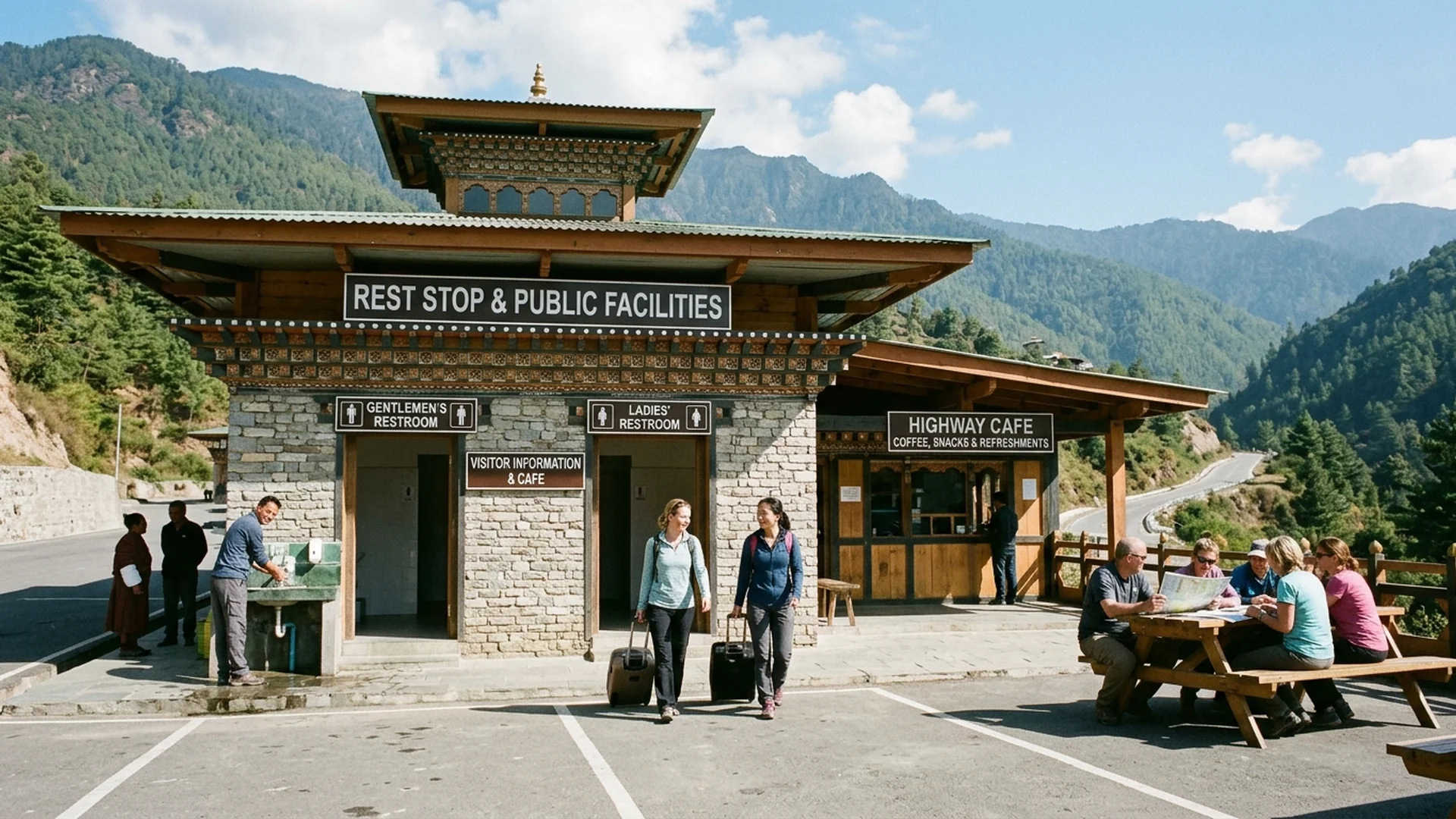
The intricate majesty of the Himalayan labyrinth—framed by emerald pine forests and crystalline indigo skies—remains the quintessential portrait of the Land of the Thunder Dragon. Yet, for discerning global travelers, families, and multi-generational explorers embarking on long, winding journeys between sacred valleys, logistical inquiries regarding en-route facilities and travel hygiene have historically lingered in the background.
Today, however, traversing these ancient mountain passes has transcended previous limitations. Underneath a sweeping national initiative known as the ‘Toilet Revolution,’ Bhutan has redefined its infrastructural landscape. No longer solely celebrated for its profound spiritual sanctuary, the kingdom has emerged as a vanguard of refined tourism infrastructure, gracefully marrying contemporary engineering with pristine natural preservation to ensure that every transition between valleys is effortless, serene, and impeccably maintained.
From Highland Challenge to Architectural Innovation: The New Era of Bhutanese Restrooms
Long-distance overland journeys across the kingdom—such as the vital arteries connecting the capital of Thimphu, the fertile valley of Punakha, and the historic gateway of Paro—traditionally demanded hours of navigating steep, serpentine mountain elevations. In earlier eras, the scarcity of refined public conveniences presented a notable hurdle for families and older travelers. Recognizing this, the Royal Government of Bhutan, in close collaboration with the tourism sector, enacted an unprecedented hygiene upgrade.
At the heart of this transformation is the deployment of ‘Smart Toilets’ and meticulously engineered rest pavilions along primary arterial routes, including Paro Tamchoe and Wangsisina. These sanctuaries are exceptionally immaculate and odor-free, outfitted with modern water systems, automated flush mechanisms, solar-powered lighting, and universal design principles that incorporate wheelchair ramps and secure handrails for seniors. Every detail reflects a profound respect for the comfort, dignity, and well-being of every traveler.
Digital Restroom Mapping: Navigating Mountain Highways with Absolute Confidence
A further triumph in contemporary Bhutanese travel logistics is the seamless integration of digital technology into the visitor experience. The Department of Tourism has curated and mapped over 103 standardized public restrooms and rest halts distributed across all 20 dzongkhags (districts), accessible to travelers via dedicated online mapping platforms prior to departure.
This digital cartography empowers private guides and master chauffeurs to orchestrate precise stopover schedules, eliminating the uncertainties of sudden roadside inquiries. Each designated stop has been carefully vetted for superior wastewater management, community artisan boutiques showcasing authentic textiles, and tranquil spaces to stretch one’s legs amidst breathtaking alpine vistas.
The VIP Transit Strategy: Leveraging Luxury Resorts Along the Mountain Pass
For discerning travelers seeking the absolute zenith of refinement and wishing to bypass standard public facilities, Bhutan offers a sophisticated, strategic alternative: exclusive partnerships with elite four- and five-star sanctuaries strategically situated along inter-valley routes.
As one navigates the dramatic contours of the Himalayas, pausing for a steaming cup of high-altitude Himalayan tea overlooking forested gorges at a luxury retreat not only relieves travel fatigue but grants access to impeccably curated private powder rooms. Maintained to the highest international standards of hospitality, this insider strategy transforms essential travel transitions into moments of genuine comfort, ensuring families and multi-generational travelers experience effortless journeys.