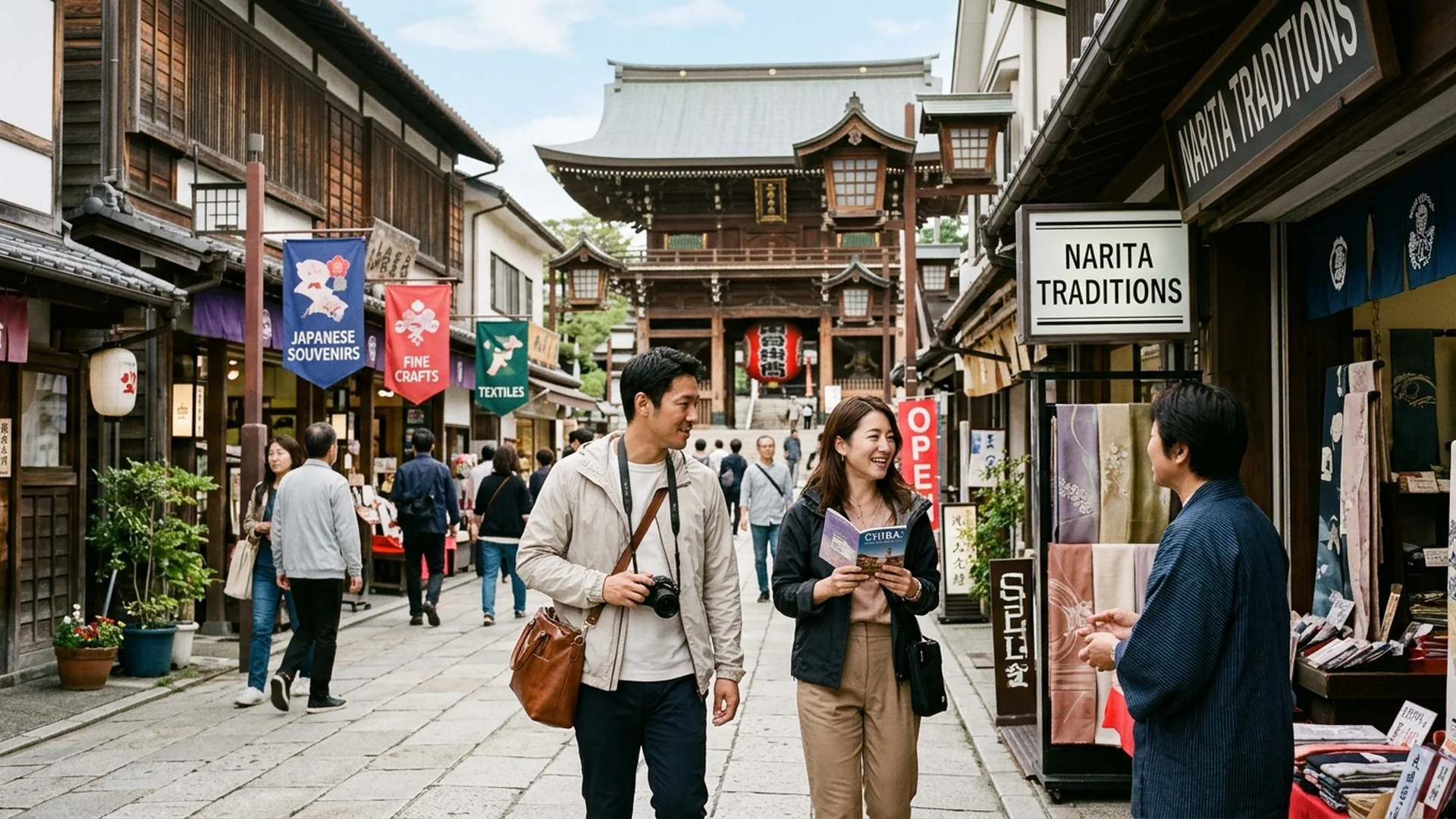
When the name Tokyo is invoked, the mind instinctively conjures an image of relentless momentum, towering steel monoliths, and an electric hum of urban energy. Yet, just a brief journey across the glistening expanse of Tokyo Bay lies Chiba Prefecture—a sanctuary where time slows its cadence, revealing a profound cultural depth and tranquil elegance yearned for by the modern luxury traveler. While many travelers know Chiba merely as the verdant landscape glimpsed through an airplane window upon descent into Narita International Airport, this sprawling peninsula is in truth a vast, meticulously crafted canvas.
Here, dramatic cliffs meet the bracing winds of the Pacific Ocean, historic merchant canals whisper tales of the Edo period, and contemporary waterfront architecture glimmers in the amber hues of dusk. To experience Chiba anew is to step away from conventional itineraries and immerse oneself in an aesthetic of repose that seamlessly marries contemporary refinement with centuries-old heritage. In this realm, absolute quietude becomes the ultimate luxury, and the passage of time is measured simply by the salt-kissed breeze and the enduring rhythms of coastal life.
Sawara: The Venice of Edo and the Preservation of Timeless Grace
Deep in the northern reaches of Chiba Prefecture lies Sawara, a remarkably preserved historic district earning the moniker ‘Ko-Edo,’ or Little Edo. The tranquil waters of the Ono River meander past timeless black-plaster storehouses and venerable merchant shops that have sustained their craft across generations. Boarding a traditional Jokibune flat-bottomed boat at dawn, when a delicate mist still hovers above the surface, evokes the sensation of stepping directly into a period cinematic masterpiece.
Sawara functions far beyond a mere living museum; it is a sacred convergence of artisan soul, traditional timber architecture, and profound stillness. Beyond its visual splendor, the district is celebrated for its artisanal shoyu production, where centuries-old fermentation methods yield a deeply aromatic soy sauce reflecting generations of accumulated wisdom.
Bayfront Aesthetics and Avant-Garde Living in Makuhari
Shifting perspectives toward the sweeping shores of Tokyo Bay, Chiba presents a compelling contrast within the Makuhari district, a forward-thinking hub of architectural innovation and high-end lifestyle design. Characterized by wide-open plazas kissed by sea breezes, dramatic vistas of the Tokyo Bay Aqua-Line stretching across the horizon, and distinguished hotels engineered to frame boundless skies, Makuhari redefines coastal sophistication.
Savoring a fine vintage while observing the sun dip below Tokyo Bay from an exclusive shoreline vantage point offers a sense of privacy and elegance rivaling the world’s most renowned resorts. Furthermore, traversing the cityscape via the Chiba Urban Monorail—a world-record-holding suspended transit system—provides an otherworldly perspective, offering the sensation of gliding gracefully through a metropolis of tomorrow.
A Culinary Odyssey: The Enduring Flavors of the Boso Peninsula
In the realm of gastronomy, Chiba stands as an extraordinary pantry gifted by the surrounding Pacific, Tokyo Bay, and the waters of Kashima. Prized ingredients such as Ise Ebi (Japanese spiny lobster), celebrated for its naturally sweet and crisp texture, and prized abalone harvested from the rugged Boso Peninsula represent culinary treasures sought after by Michelin-starred chefs and connoisseurs alike.
To taste sashimi sliced mere hours after being hauled ashore, savored within the quiet embrace of a local fishing village, is to experience dining in its purest and most powerful form. It is an authentic celebration of meticulous craftsmanship and profound reverence for nature upheld by local coastal communities.