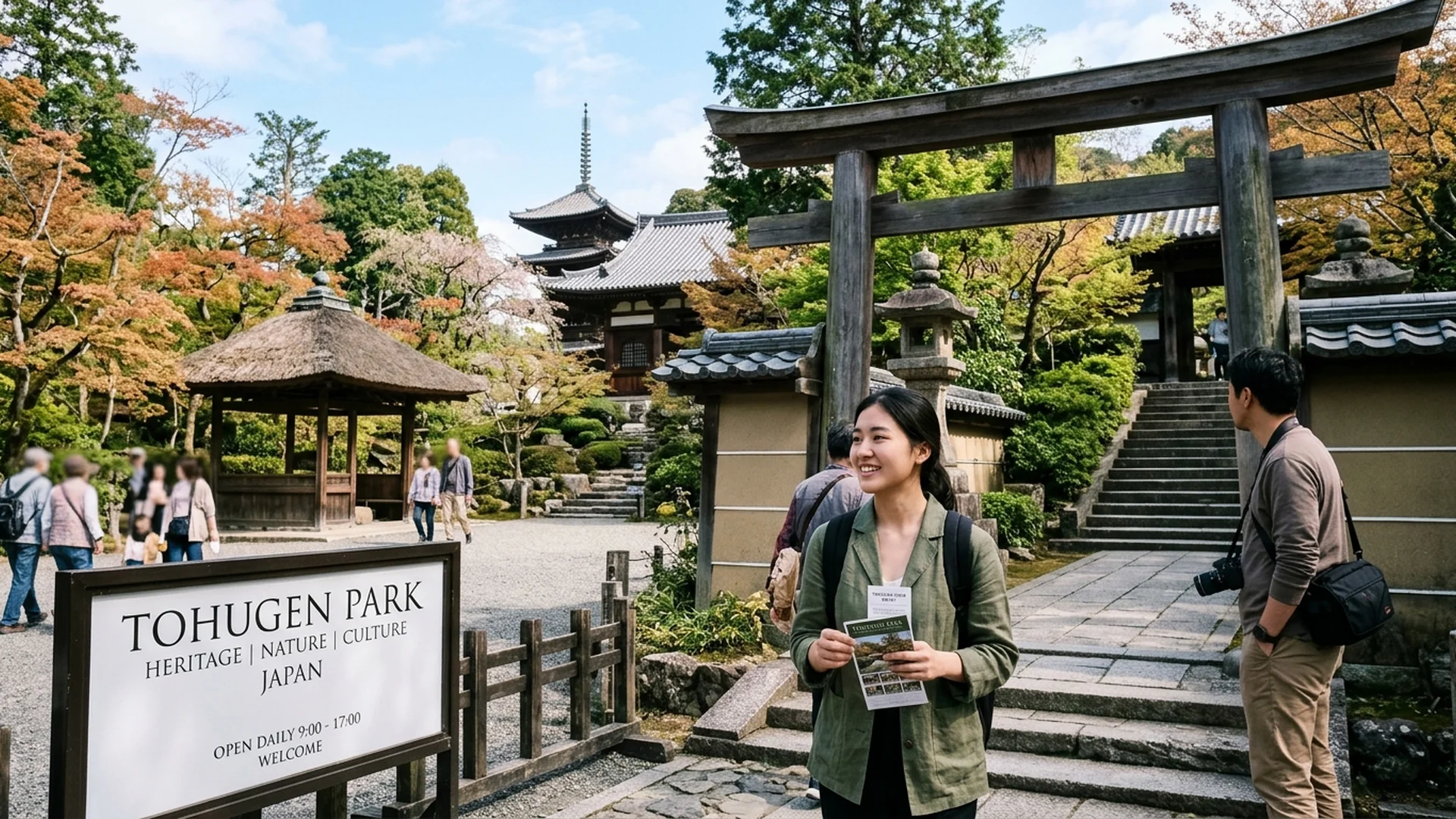
Cross the threshold of the natural gateway into the serene expanse of Tohugen Park, and the clamor of the modern world dissolves instantly. It is replaced only by the crisp crunch of fallen leaves beneathfoot and the gentle cadence of clear streams meandering over artfully arranged stones, meticulously composed according to ancient geomancy and classical aesthetics. This is no ordinary public park; it is a living canvas chronicling centuries of history, spiritual devotion, and the profound, enduring communion between humankind and the natural world.
For travelers seeking meaning far beyond conventional sightseeing, Tohugen Park serves as an open-air gallery reflecting the quiet power of Zen philosophy and wabi-sabi. Every perspective has been deliberately orchestrated to cultivate mindfulness and presence in the moment, inviting us to soften our pace, synchronize our breath with the shifting seasons, and savor a rare purity of beauty increasingly elusive in our digital age.
Philosophy and Historical Roots: Decoding the Forests and Waters of Tohugen Park
Beneath the immaculate surface of Tohugen Park lies a deep historical foundation reflecting the visionary foresight of its classical creators. This sacred terrain was shaped using the masterful principle of Shakkei, or ‘borrowed scenery,’ wherein distant mountain ridges and the open sky are harmoniously integrated into the immediate composition of ponds and groves. The placement of ancient stones and indigenous flora eschews superficial ornamentation, seeking instead to distill the elemental truths of nature—mountains, lakes, and rushing rivulets—into a miniaturized sanctuary designed for quiet contemplation of impermanence and inner peace.
Strolling along stone pathways smoothed by centuries of footfalls reveals symbolic nuances woven into every turn: from venerable arched pine bridges spanning mirror-still waters to weathered stone lanterns blanketed in emerald moss. These elements stand as enduring testaments to master landscape architects who meticulously crafted spaces dedicated entirely to spiritual restoration.
The Choreography of the Seasons: From Autumnal Brilliance to Pristine Winter Solitude
Tohugen Park unfolds in dramatic, poetic transformations across the turning of the year. When autumn descends upon the grounds, the entire sanctuary is ignited in vivid shades of crimson, burnt amber, and golden ochre cast by ancient Japanese maples and towering ginkgo trees. Their reflections shimmering upon the expansive central pond create vistas that rival classical hand-scroll paintings.
With the arrival of winter, pristine blankets of snow settle gracefully over timber pavilion roofs and the boughs of classical Japanese black pines, transmuting the landscape into an extraordinary realm of absolute stillness. The crisp mountain air sharpens the tranquil atmosphere, offering an incomparable setting for early morning explorations when delicate mist rises from the water, mirroring the unspoiled heritage of historic Japan.
The Aesthetics of Leisure: Tea Ceremonies and the Art of Quiet Contemplation
At the heart of the Tohugen experience lies the engagement of all five senses in pursuit of cultural harmony. Tucked within the verdant canopy stands an intimate chashitsu, or traditional tea house, where travelers seeking solace are invited to kneel upon woven tatami mats and gaze through delicate bamboo screens framing natural vistas. Here, guests partake in velvety, umami-rich matcha paired with seasonal wagashi confections shaped with the refined precision of master artisans.
The gentle resonance of a temple bell drifting softly across the pavilion releases the lingering haste of contemporary life. In this context, partaking in tea transcends simple consumption; it becomes a profound spiritual ritual connecting the modern self to centuries of ancestral craftsmanship and surrounding wilderness.