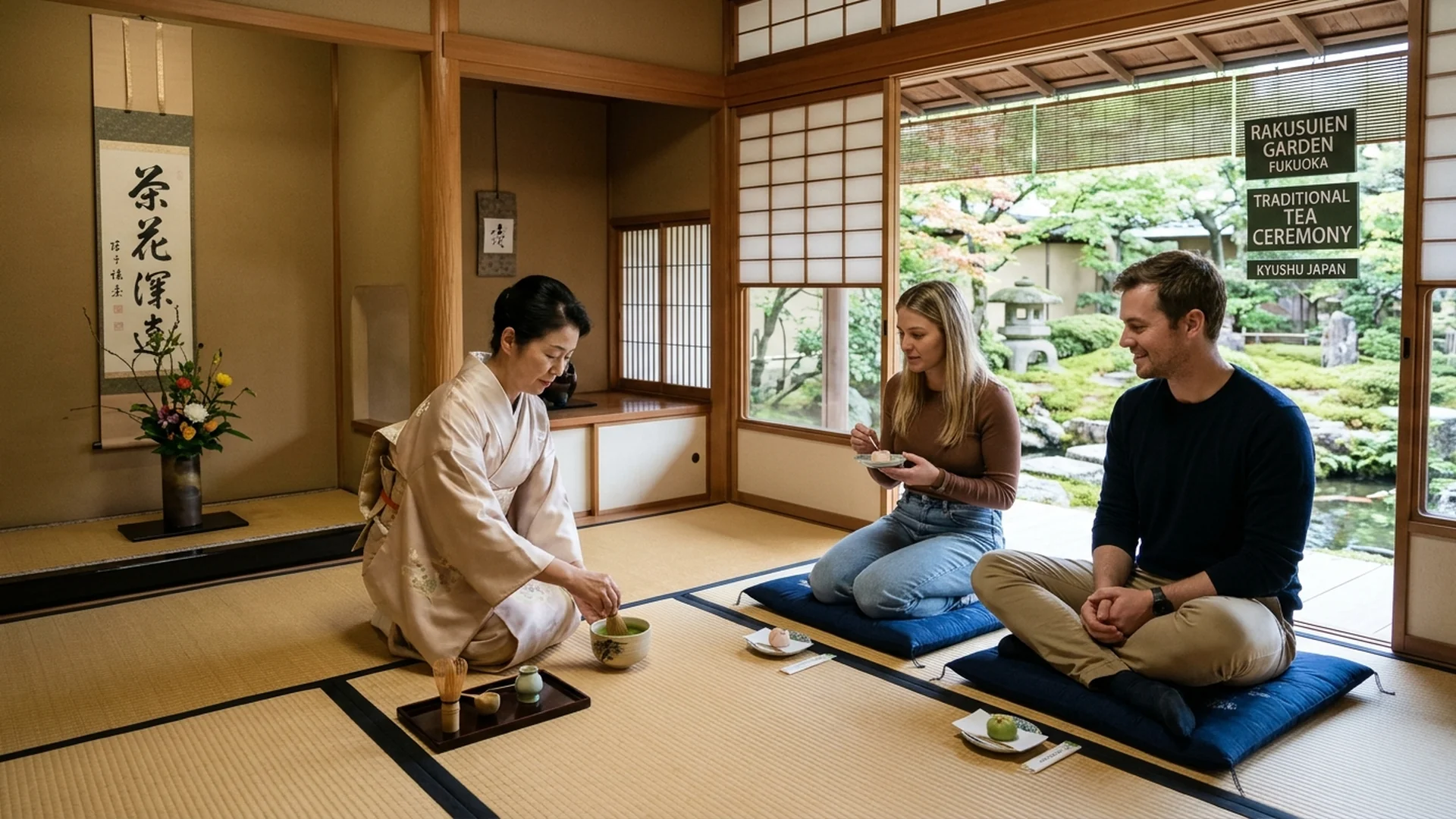
When speaking of Kyushu, Fukuoka invariably emerges as a dynamic portal brimming with vitality. Yet beneath the bustling facade of this historic port city lies a serene rhythm of life that seamlessly marries ancient Hakata culture with contemporary design aesthetics. Transcending hurried itineraries to immerse oneself in the pure artistry of relaxation within this metropolis is not merely about checking off landmarks; it is an invitation to engage all senses in understated sophistication—from minimalist architecture to centuries-refined gastronomy.
This refined vision of Fukuoka beckons the discerning traveler to discover a delicate equilibrium between tranquil waterfront sanctuaries and the tasteful vibrancy of a modern metropolis, where ancestral echoes harmonize effortlessly with forward-thinking elegance.
Architecture, Art, and the Living Pulse of Hakata Heritage
The roots of Fukuoka run deep within the historical precinct of Hakata, a legendary hub of maritime commerce. An understanding of the city begins in its old town quarter, where ancient temples such as Shofukuji—Japan’s first Zen monastery—exude quiet dignity amidst verdant groves, contrasting harmoniously with the surrounding urban architecture. A short distance away, Ohori Park, whose landscape is inspired by China’s West Lake, offers expansive green expanses for leisurely strolls against a backdrop of world-class collections housed within the minimalist, waterfront Fukuoka Art Museum.
Kyushu’s Culinary Pantheon: From Master Ramen to Refined Mizutaki
Fukuoka stands unequivocally as one of Japan’s premier gastronomic capitals, where humble ingredients are elevated through immaculate precision. The journey spans from iconic Hakata tonkotsu ramen—celebrated for its milky, long-simmered bone broth and perfectly firm noodles—to mizutaki, a traditional collagen-rich chicken hotpot simmered to delicate sweetness and paired with seasonal harvest vegetables in intimate dining rooms. As dusk falls, the legendary riverside yatai food stalls along the Nakagawa River offer an elevated street-dining experience, serving artisanal sake alongside regional delicacies beneath the gentle luminescence of city lights.
Coastal Sanctuary: Artisanal Cafés and Golden Sunsets in Itoshima
For those seeking respite from the urban pulse, the Itoshima Peninsula on Fukuoka’s western coast provides an idyllic haven of quiet luxury. Its winding coastal roads are dotted with artfully designed independent cafés, local artisan studios, and intimate craft galleries. Highlights include the striking white torii gate of Sakurai Shrine and the sacred Meoto Iwa wedded rocks bathed in golden twilight—a profound testament to nature’s restorative power and aesthetic grace.