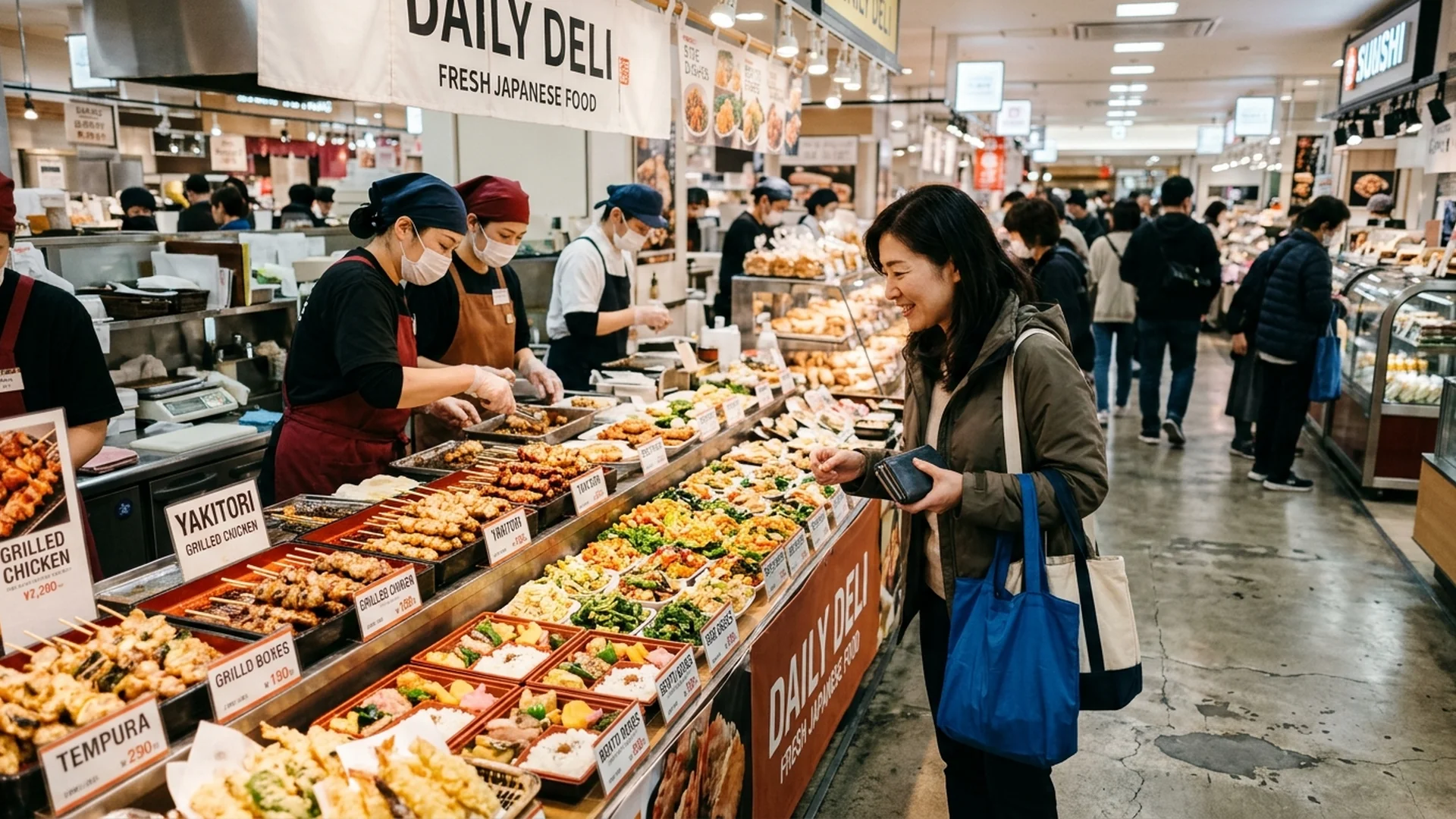
The moment the polished glass doors of a Japanese department store basement slide open—affectionately revered by locals as the Depachika—an intoxicating sensory world unfurls. The savory, charcoal-kissed aroma of eel broiled in sweet soy, the crisp rhythmic tap of master sushi knives against Hinoki boards, and the delicate allure of French patisserie infused with subtle Japanese botanicals fill the air. These sanctuaries are far more than mere food markets; they operate as living culinary museums that gather legendary culinary houses and Michelin-starred mastery under a single, breathtaking roof.
Journeys across the Japanese archipelago extend far beyond gazing through the window of a Shinkansen bullet train hurtling past the snowy silhouette of Mount Fuji. They are intimately bound to the cherished tradition of the Ekiben. Seasonal ingredients are meticulously arranged within polished wood or lacquered boxes, reflecting an unwavering commitment to omotenashi—the profound Japanese spirit of heartfelt hospitality found nowhere else on earth. Whether perched upon a plush train seat or browsing a glittering downtown counter, travelers are invited into a world of elite gastronomy that requires no months-in-advance reservations.
The Subterranean Realm of Depachika: When Retail Becomes a Gastronomic Shrine
Stepping inside legendary institutions such as Isetan, Mitsukoshi, or Takashimaya calls for an immediate descent to the lower ground level. Before you lie pristine glass cases where premium fruits are displayed with the reverence of precious gems—from crown-jewel Hokkaido melons priced alongside fine art to flawless, deep-crimson strawberries radiating delicate sweetness. The Depachika utterly redefines conventional notions of a food hall, functioning instead as a curated collective of independent culinary legends.
Navigating these aisles is an artistic pursuit in its own right. You will encounter sushi and sashimi counters where masters shape translucent slices of wild catch by hand, delicate tempura stations frying with weightless precision, and artisanal delis offering European classics reimagined for the discerning Japanese palate. The supreme joy lies in quiet exchanges—communicated through gentle gestures and warm smiles—with artisans who slice, wrap, and present every single purchase with exquisite care.
The Golden Hour of Flavor: Decoding the Japanese Time Sale
As the clock strikes six in the evening, the atmosphere within the Depachika shifts seamlessly from quiet elegance to a gentle, anticipatory hum. This is the realm of the Time Sale, when yellow discount tags begin to bloom across display cases, offering reductions from 20 to 50 percent on daily-made bentos, pristine nigiri, and fresh confections.
This practice stems not from diminishing quality, but rather from the culinary philosophy of shun—the uncompromising reverence for absolute freshness. Items prepared at dawn must find appreciative homes by nightfall to preserve their integrity. For the culturally curious traveler with an eye for value, this ritual offers a magnificent portal to savoring elite-tier sashimi or marbled wagyu teppanyaki at an extraordinary value.
Ekiben: The Poetry of Travel Through Railway Bento Boxes
A Shinkansen journey through the Japanese countryside feels incomplete without an Ekiben, the railway boxed meal with a history spanning well over a century. More than mere sustenance for transit, an Ekiben serves as a tactile atlas of the geography, culture, and seasons of the prefectures unfolding outside your window.
As the train departs Tokyo Station toward the northern reaches of Tohoku or southward toward Kyushu, opening an Ekiben reveals polished grains crowned with snow crab, glistening salmon roe, or charcoal-grilled beef. Regional stations take immense pride in their edible signatures—some housed within artisanal ceramic clay pots from Arita, others fitted with micro-musical boxes that play local folk tunes upon pulling a heating cord. Partaking in an Ekiben is a journey unto itself, binding the traveler deeply to the land.