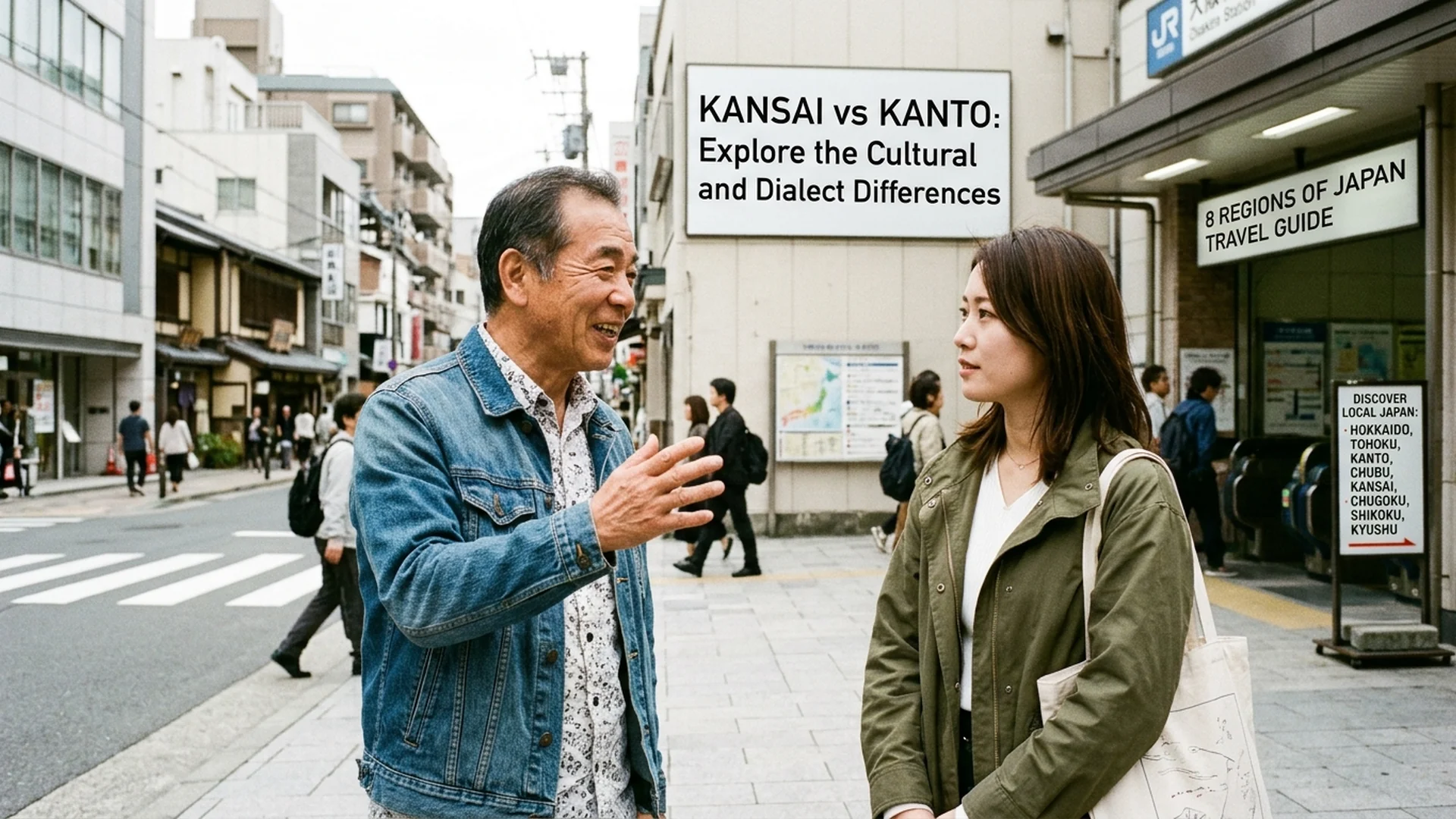
When territorial borders are carved by more than mere mountain ranges or flowing rivers, they are shaped by spirit, heritage, and deeply contrasting aesthetics. Japan, stretching gracefully from the frigid northern frontier down to the sun-kissed coral atolls of the south, is far more than a singular destination. It is a parallel universe of profound diversity. To understand the geography of its eight distinct regions is akin to holding a master decoder ring for the local psyche—transforming your journey from that of a casual observer into an intimate dialogue with the heart of the Land of the Rising Sun.
From the pristine, snow-laden expanses of the northernmost isle to the subtropical breezes of the southern archipelago, Japan narrates its story through evocative contrasts. Whether observing the cultural fault line between East and West or the legendary dichotomy defining Tokyo and Osaka, every step upon this soil resonates with a history sculpted by climate and topography over centuries.
An Architecture of Contrast: Mapping the Eight Regions of Japan
Comprehending the expanse of Japan begins with viewing the nation through its eight official regional partitions. The journey commences in Hokkaido, the vast northern frontier characterized by crisp alpine air, untamed wilderness, and celebrated maritime harvests. Directly south lies Tohoku, a rugged realm of mist-shrouded peaks and heavy winter snows that tenaciously preserves rustic traditions and powerful ancestral festivals.
Entering Kanto, the economic and political nexus anchored by Tokyo, one encounters a seamless fusion of hyper-modernity and foundational samurai heritage. Moving onward, Chubu serves as the literal roof of Japan, cradling the Japanese Alps and the sacred symmetry of Mount Fuji while bridging the eastern and western cultural spheres. Beyond lies Kansai (or Kinki), the cradle of classical spirituality and lighthearted theatricality, anchored by the eternal capitals of Kyoto and Osaka.
Continuing westward through Chugoku, a landscape defined by epochs of feudal conflict and modern aspirations for peace in Hiroshima, travelers cross maritime bridges or sail into Shikoku. As the smallest of the four main islands, Shikoku invites contemplation along its serene Buddhist pilgrimage trails. The geographical tapestry culminates in Kyushu, a volcanic sanctuary of hot spring mists, before gracefully extending down into Okinawa, a subtropical archipelago whose distinct heritage feels delightfully worlds apart.
The Culinary and Cultural Crucible: Kanto Versus Kansai
If Japan were a coin, Kanto in the East and Kansai in the West would represent its two impeccably detailed faces. The roots of this duality stretch deep into feudal history, when Kanto flourished under the military governance of the shogunate in Edo (modern-day Tokyo), while Kansai prospered through the refined arts of the imperial aristocracy in Kyoto and the shrewd enterprise of affluent merchants in Osaka.
This philosophical divide is most deliciously articulated at the dining table. Kanto cuisine leans toward robust, assertive flavors. Noodle broths rely on a sturdy foundation of dried bonito (katsuobushi) and dark soy sauce (koikuchi), which pairs effortlessly with earthy soba noodles. Conversely, Kansai gastronomy prioritizes subtlety, depth, and the preservation of natural ingredient hues. Broths here are celebrated for delicate kombu kelp and light soy sauce (usukuchi), serving as the ideal partner for springy, comforting udon.
Beyond the palate, temperament and social expression diverge noticeably. Kanto residents generally project a composed, orderly reserve suited to a fast-paced metropolis, whereas Kansai folk are renowned for their warmth, approachable candor, and an infectious, irrepressible sense of humor born from the capital of comedy.
Local Dialects and the Soul of Regional Specialties
Traversing Japan’s regional boundaries introduces the ear to localized dialects (ben), each carrying unique cadences and vocabulary that serve as living testaments to cultural preservation. While standard Japanese (hyojungo) anchors broadcasting and official discourse in Tokyo, stepping into Kansai introduces the welcoming warmth of “Ookini” (thank you) instead of “Arigato,” alongside playful linguistic cues like “Nandeyanen” during lighthearted banter. In certain remote valleys, these linguistic variations run so deep that even travelers fluent in standard Japanese may find themselves momentarily transfixed by unfamiliar pronunciations.
Running parallel to language is the cherished concept of Meibutsu—local specialties proudly curated by each community. Whether it is the overflowing seafood bowls (kaisen-don) of Hokkaido, the sizzling street-side vitality of Osaka’s takoyaki and okonomiyaki, or the masterfully shaded green teas of Kyoto, these culinary emblems are far more than mere souvenirs (omiyage). They are the authentic botanical and meteorological expressions of their homeland, meant to be absorbed by both palate and spirit.