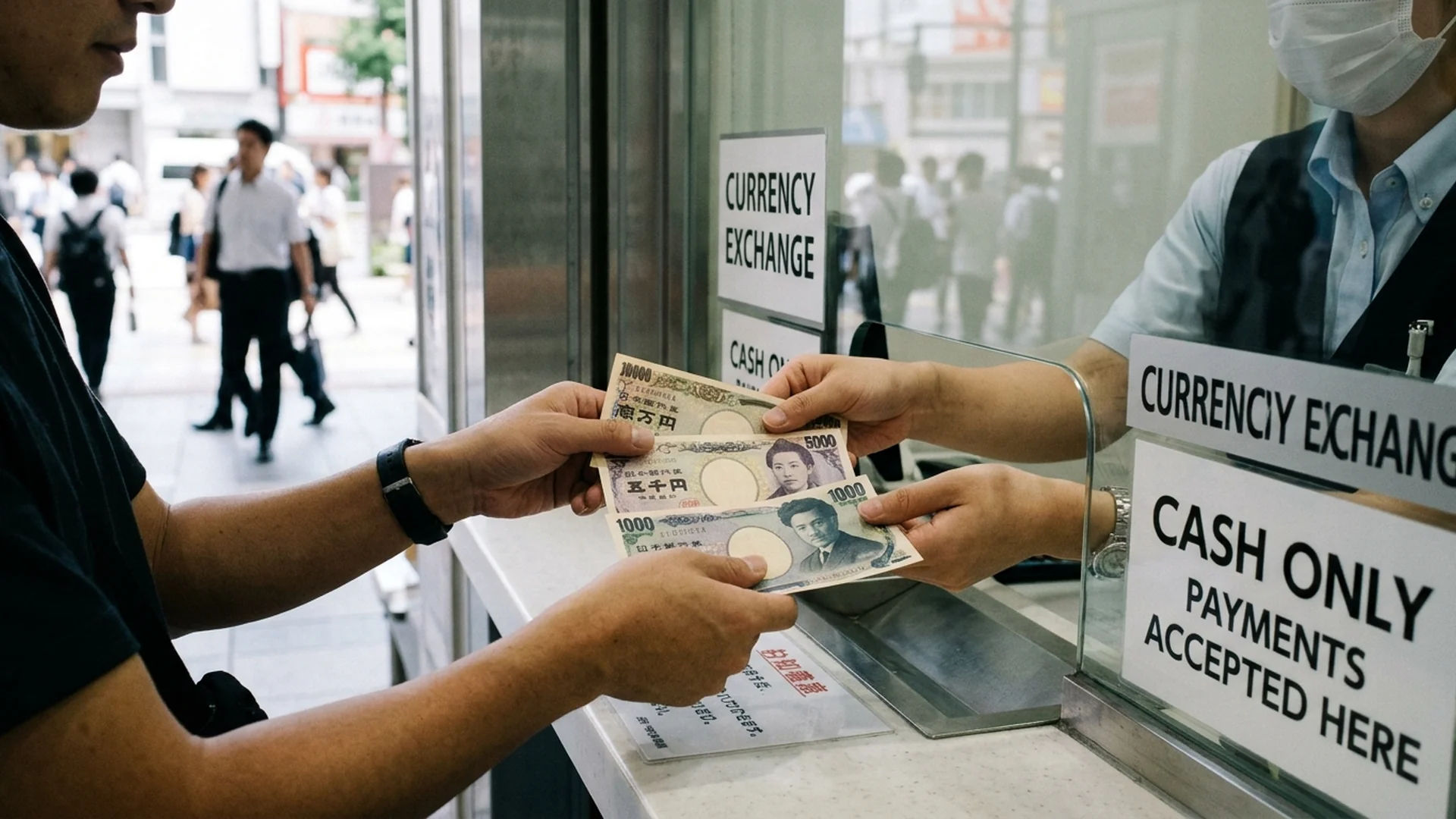
Even as the relentless digital tide sweeps the globe toward a cashless horizon, stepping onto the sacred soil of Japan reveals a charming and enduring truth: cash retains a vital pulse and profound cultural resonance in daily life. Amid the ultramodern glow of Tokyo or the timeless reverence of Kyoto, the tactile ritual of dropping coins into a ramen kiosk, paying exact fare on a local countryside bus, or offering coins at an ancient shrine underscores an indispensable reality for the discerning traveler. To journey seamlessly through this archipelago, one must master the subtle interplay between physical currency and digital convenience.
Comprehending Japan’s evolving monetary landscape does far more than alleviate pre-trip exchange anxieties; it opens a doorway into a society where world-class security innovations harmonize seamlessly with ancestral tradition. From the immaculate new series of banknotes quietly circulating through the economy to the ubiquitous utility of IC cards, every single detail functions as a refined gear elevating your sojourn to an art form.
The Architecture of Trust: Understanding New Banknotes and Yen Coinage
Visiting contemporary Japan offers an intimate encounter with the newly designed banknotes issued by the Bank of Japan, marking their most comprehensive aesthetic evolution in two decades. The 10,000-yen note honors Eiichi Shibusawa, the visionary father of Japanese capitalism; the 5,000-yen note immortalizes Umeko Tsuda, a pioneer in women’s education; and the 1,000-yen note celebrates Shibasaburō Kitasato, a trailblazing physician in infectious diseases. These notes incorporate the world’s first rotating three-dimensional hologram technology for ultimate counterfeit prevention. Crucially, all legacy series banknotes retain full legal tender status and circulate in absolute harmony with the new currency.
Regarding coinage, Japan utilizes six denominations: 1, 5, 50, 100, and 500 yen, with the newly minted 500-yen coin featuring sophisticated corrugated edge-milling to thwart forgery. The primary tactile challenge for international visitors is the accumulation of these coins in pockets and pouches. A practical approach involves actively observing and deploying smaller denominations (such as 1-yen and 5-yen coins) at convenience stores when settling fractional balances, preventing unnecessary weight in your travel wardrobe.
The Parallel Universe of Cash vs. Cashless: Modern Convenience Meets Enduring Traditions
While cashless transaction volumes surge across Japan via credit cards, smartphone payments, and QR codes, assuming that a single plastic card suffices for all occasions will occasionally lead to logistical friction. Convenience store giants like Seven-Eleven, Lawson, and FamilyMart, alongside grand department stores, renowned restaurant chains, and premier hotels, fully embrace cashless ecosystems. Yet, numerous cherished destinations exist beyond the reach of digital ubiquity or where proprietors deliberately preserve heritage.
Traditional neighborhood ramen shops utilizing storefront ticket vending machines, regional buses in secondary towns, independent market stalls, and offerings at sacred shrines frequently display unambiguous signs denoting ‘Cash Only.’ Maintaining a modest reserve of physical cash on hand (roughly 5,000 to 10,000 yen per day) serves as an essential guarantee of peace of mind, ensuring you never miss out on authentic, intimate cultural encounters.
IC Cards as Your Digital Wallet: Beyond Transit to the Connoisseur’s Companion
Among the most powerful and intuitive financial instruments available to travelers, IC cards—such as Suica, Pasmo, or ICOCA—stand unrivaled. Far more than mere transit passes for swift station gate passage, these cards have evolved into sophisticated personal electronic wallets.
You can effortlessly tap your IC card to purchase goods at convenience stores, roadside vending machines, pharmacies, public lockers, and select fast-dining establishments, eliminating the tedious calculation of loose coinage. While physical plastic card issuance may experience temporary regional fluctuations due to global semiconductor supply constraints, international travelers can easily provision a Digital Suica or Pasmo directly within their smartphone’s digital wallet, enabling instant top-ups via credit card from anywhere in the world.