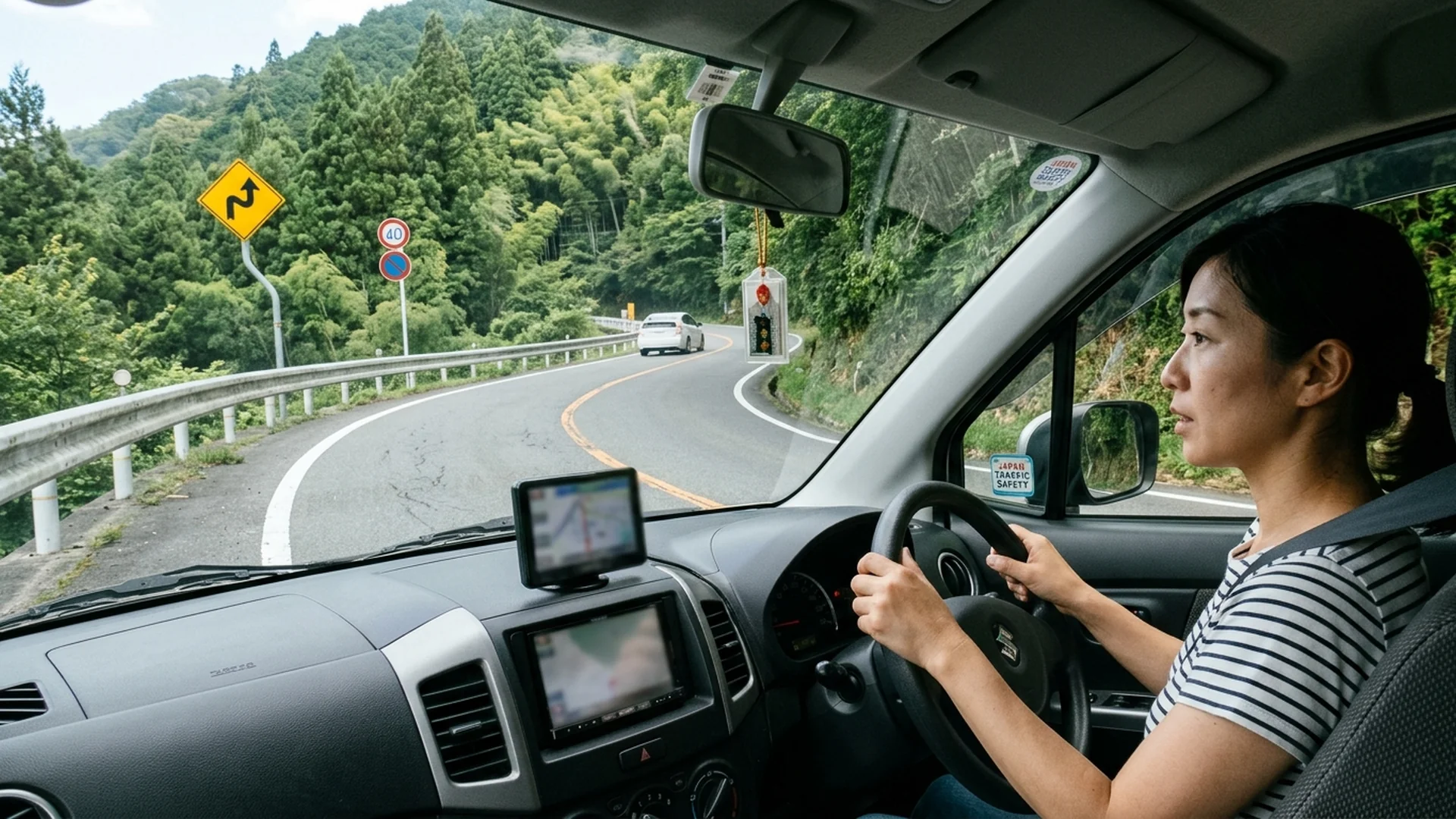
When the steering wheel shifts to the right and the ribbon of tarmac ahead unfurls through pristine snowfields in Hokkaido or winds alongside the precipitous ridges of the Japanese Alps, independent driving grants an incomparable sense of freedom. Yet traversing the roads of the Land of the Rising Sun demands a rigorous understanding of unique legal codes, subtle driving customs, and unyielding regulations.
Road safety in Japan is measured not by velocity, but by absolute deference to order and mindfulness toward fellow travelers. Comprehending local road signs, unspoken courtesies, and precise protocols for unforeseen contingencies transforms a long-distance journey into an effortlessly seamless, memorable expedition.
Decoding Core Traffic Laws: The Tomare Stop Sign and Indispensable Etiquette
The cornerstone of motoring in Japan is absolute decisiveness at intersections and junctions. Most notable is the inverted red triangle bearing the Japanese kanji character 「止まれ」, universally recognized as the Tomare sign. This does not indicate a gentle deceleration; rather, it mandates a complete, motionless full stop behind the white stop line for a minimum of three seconds to scan thoroughly before moving onward. Similarly, Japanese legislation maintains uncompromising strictness at railway level crossings, where every vehicle must halt entirely even when crossing gates remain raised.
Regarding road etiquette, yielding is the universal language of the asphalt. Japanese motorists frequently flash their hazard lights two or three times as a gracious nod of gratitude when another driver permits a lane change. Maintaining prescribed speed limits and eschewing unnecessary horn usage reflect a deep-rooted cultural respect for shared communal space—the finest defense against mishaps.
The Art of Control: Navigating Snow-Covered Vistas and Steep Alpine Curves
When journeys venture into mountainous topography or northern realms such as Tohoku and Hokkaido, the environment demands heightened vigilance. Tires require primary consideration; during winter, all rental vehicles are fitted with studless snow tires featuring specialized tread compounds designed to grip treacherous black ice invisible to the naked eye.
The philosophy of winter navigation centers on velocity reduction and the avoidance of abrupt braking or acceleration, which invites hydroplaning or a dangerous spin. Engaging engine braking on steep descents is vital to prevent brake overheating and fade. Furthermore, maintaining a following distance three to fourfold greater than standard practice ensures a generous safety margin amid sudden squalls or blinding flurries.
When the Unexpected Arises: Legal Protocols and Rental Insurance Essentials
Composure is paramount should a fender-bender occur on Japanese soil. The paramount legal tenet prohibits private negotiation or immediate dispersal at the scene. The correct sequence requires moving the vehicle to a safe shoulder, activating hazard lights, placing a reflective warning triangle, and checking for injuries. If anyone is harmed, emergency services must be reached immediately via 119.
Subsequently, contacting the police at 110 is compulsory to enable officers to inspect the scene and issue an official accident report certificate, known as a Jiko Shomeisho, which remains indispensable for insurance claims. Concurrently, the rental agency must be notified. A detail frequently overlooked by international visitors is the Non-Operation Charge (NOC), a compensatory fee levied when a damaged vehicle cannot be deployed for rental. Procuring full-coverage insurance encompassing both Collision Damage Waiver (CDW) and NOC waivers at the time of booking offers essential financial tranquility.