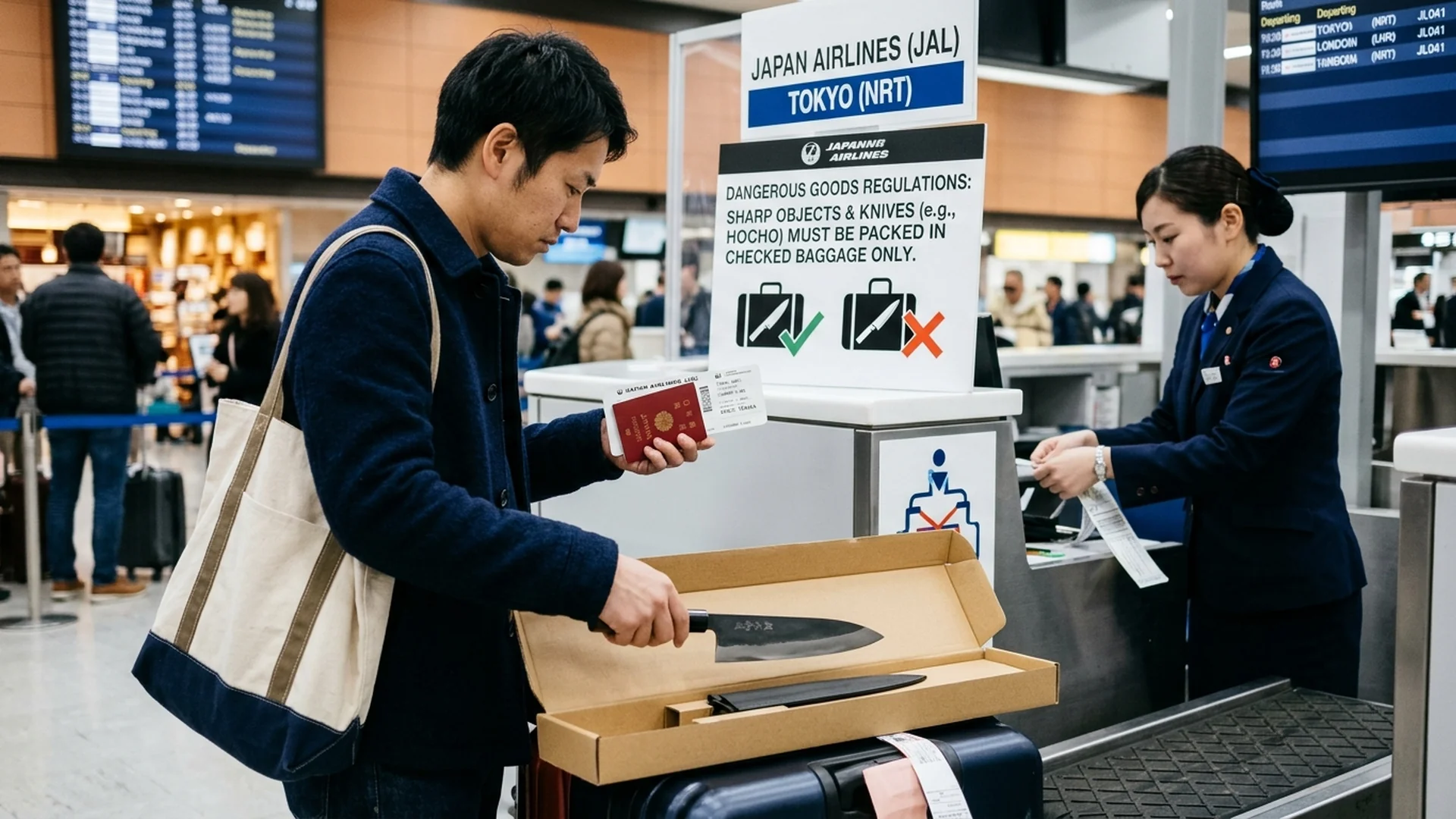
The quiet, rhythmic whisper of a razor-sharp blade gliding through a Hinoki wood cutting board is the defining symphony of the Japanese kitchen, where centuries of master metallurgy merge with an unyielding devotion to craft. For the discerning traveler and culinary aesthete, acquiring an authentic Japanese kitchen knife—or Hocho—is far more than a mere retail transaction. It is an act of curating living history, carrying home centuries of generational heritage from the forge-towns of Sakai or Seki.
Yet, amidst the brilliant glare of polished steel in ancient mercantile districts, the universe of Japanese cutlery can feel labyrinthine. From high-carbon steels that demand mindful maintenance to crystalline stainless alloys, and from bespoke kanji engravings to stringent aviation regulations, navigating this world requires insight. This journal invites you deep into the philosophy of selecting your definitive blade, ensuring it arrives in your home kitchen ready to perform for a lifetime.
The Anatomy of the Edge: Understanding Blade Profiles and Metallurgy
The journey of selecting a Japanese knife begins with an appreciation of functional geometry. The quintessential Santoku—translating to ‘three virtues’ for its mastery over meat, fish, and vegetables—serves as an effortless cornerstone for domestic culinary spaces. Meanwhile, the Gyuto offers a Japanese interpretation of the Western chef’s knife, featuring a longer, slender profile optimized for swift slicing and rocking cuts. For practitioners of sashimi and precision butchery, the single-beveled Yanagiba (willow-leaf blade) and the heavyweight Deba represent centuries of refined functional evolution.
Beyond form, the choice of steel dictates the very soul of the blade. High-carbon steels such as Shirogami (White Steel) and Aogami (Blue Steel) are revered by professional chefs for their ability to take an exquisitely fine edge and hold it with astonishing tenacity, though they demand attentive care to prevent oxidation. Conversely, modern high-grade stainless steels like VG-10 or powdered metal alloys such as SG2 (R2) offer an effortless equilibrium between supreme sharpness and corrosion resistance, tailored for those who value low-maintenance refinement.
A Pilgrimage to the Forges: Kappabashi, Doguyasuji, and Custom Engraving
Acquiring a blade in Japan is akin to a cultural pilgrimage. In the east, Tokyo’s Kappabashi Dougu Street stands as a legendary thoroughfare of culinary supply, housing venerable shops where connoisseurs may test the weight, balance, and harmonic resonance of steel in hand. In the Kansai region, Osaka’s Doguyasuji arcade offers an equally vibrant immersion into the nation’s professional kitchen culture, steeped in local warmth and master-level expertise.
A cherished tradition among premier blade-smiths is Kanji Engraving. Artisans employ a hammer and chisel to carve personalized characters directly into the ricasso of the blade, a service often performed complimentary or for a nominal fee. This bespoke mark not only renders your knife completely singular but forges an intimate, enduring dialogue between the craftsperson, the tool, and its ultimate custodian.
Crossing Frontiers: Global Aviation Rules and Packing Protocols
The romantic pursuit of a masterpiece blade can be abruptly halted by international aviation security. The immutable law of global transit is absolute: kitchen knives of any description are strictly prohibited in carry-on baggage. Airport security personnel will immediately confiscate unapproved blades classified as potential hazards.
Consequently, your newly acquired culinary treasure must travel exclusively within checked baggage. Meticulous preparation is paramount. Begin by securing the blade in a fitted wooden saya (scabbard) or a rigid plastic sheath. Wrap the encased blade generously in multiple layers of corrugated cardboard or industrial bubble wrap to eliminate shifting. Nestling the wrapped blade securely in the absolute center of your suitcase, buffered by dense layers of folded garments, ensures your investment traverses continents and arrives entirely unblemished.