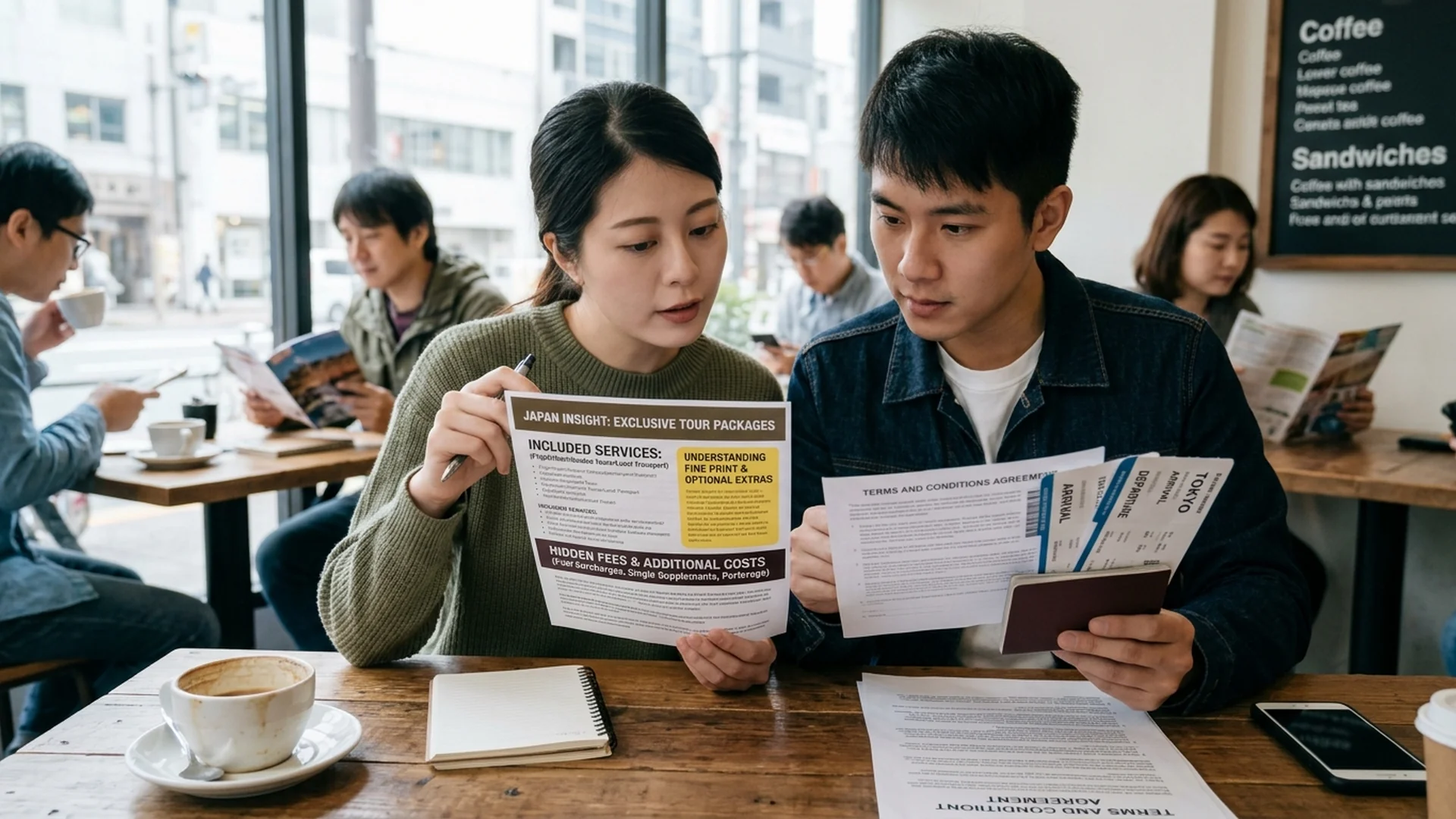
The seductive allure of a sharply discounted tour price for Japan often quickens the pulse of any traveler dreaming of early-blooming sakura, snow-draped valleys, or the fragrant steam of matcha in Kyoto. Yet behind these seemingly economical figures lie intricate cost structures and microscopic terms and conditions. Overlooking these details can easily transform a dream holiday into an expensive lesson in budget overrun.
Comprehending the pricing mechanics of tour operators—comparing budget offerings with curated luxury departures and tracing unbundled expenses—acts as a vital shield. It ensures your voyage into the Land of the Rising Sun remains transparent, completely free from unpleasant financial surprises upon touching down at your destination.
Tracing the Tour Cost Architecture: Why the Headline Figure Is Never the Net Total
Within the ecosystem of curated travel, Japan presents a high degree of complexity regarding structural costs. When tour operators launch economical programs, a primary strategy is often stripping away non-essential line items or relegating certain financial burdens for travelers to shoulder upon arrival. The first category commonly excised from baseline pricing comprises variable local levies, such as the municipal accommodation tax enforced across premier destinations like Tokyo, Kyoto, and Osaka at rates scaling with room tariffs. While nightly figures appear modest, cumulative totals across multi-night stays for traveling parties yield surprising sums. Furthermore, hot-spring bath taxes levied by traditional ryokans are typically collected strictly in cash at the front desk rather than bundled into initial remittances.
The Trap of Microscopic Print: Independent Meals and Omitted Admissions
Another pivotal signpost within tour itineraries is the phrase ‘independent leisure meal,’ frequently interspersed throughout travel schedules. While superficially offering culinary freedom to explore local gastronomy, from an expenditure perspective, these represent entirely unbundled out-of-pocket costs—especially when coaches halt at prominent rest stops or commercial districts with elevated dining tariffs. Additionally, certain itineraries may showcase landmark attractions with grand imagery while relegating a discreet asterisk in the terms to note ‘exterior viewing only’ or ‘admission fees to inner sanctums/observation decks excluded.’ Consequently, travelers must disburse additional on-site ticket costs, an accumulation that noticeably sways family or group budgets.
Hotel Geography: The Secret Variable Determining Value and Time
The profound variance between budget tours and standard premium packages rarely rests solely on chamber square footage; rather, it hinges upon the geographic coordinates of selected lodgings. Cost-conscious itineraries frequently anchor themselves in peripheral suburbs where real estate and lodging overheads remain low, forcing tour buses to spend hours navigating in and out of metropolitan cores daily, thereby eroding precious exploration time. Conversely, packages reflecting authentic quality intentionally select properties adjacent to principal railway termini, granting travelers seamless pedestrian access to nocturnal cityscapes and optimizing every moment of free time. This elevation in daily living standard constitutes the silent luxury hidden between the program’s lines.