Where the vast expanse of the Pacific horizon meets the art of unhurried passage, traversing Japan’s regions transcends mere geography. It becomes an invitation to slow time aboard a colossal floating sanctuary, where the rhythmic pulse of the ocean and the gentle thrum of the engines compose a soothing maritime lullaby.
While the blistering pace of the Shinkansen addresses the modern demand for speed, long-distance overnight ferries—such as MOL Sunflower and Shin Nihonkai Ferry—reveal a contemplative dimension of the Japanese landscape that terrestrial transit often overlooks. Standing upon the open deck amid the crisp sea breeze, watching distant island silhouettes drift past in silence, embodies the true essence of slow travel—effortlessly marrying refined hospitality with coastal adventure.
Architecture of Repose: From Ocean Suites to Tatami Rooms Upon the Waves
Stepping aboard a modern ocean-going ferry instantly dispels any dated preconceptions of utilitarian maritime transit. Contemporary vessels are engineered as floating boutique hotels, offering tiered accommodations tailored to every discerning preference. For travelers seeking uncompromising privacy and understated luxury, Suite and Deluxe staterooms featuring private furnished balconies offer uninterrupted vistas of the boundless sea twenty-four hours a day. Meanwhile, solo voyagers or traveling companions often gravitate toward individual cabins or classic Japanese-style tatami spaces that honor traditional aesthetics. Every square meter is meticulously curated, immaculate, and hushed, fostering an atmosphere of profound rest throughout the nocturnal crossing.
Oceanic Onsen and Maritime Gastronomy: Aesthetics Upon the Open Sea
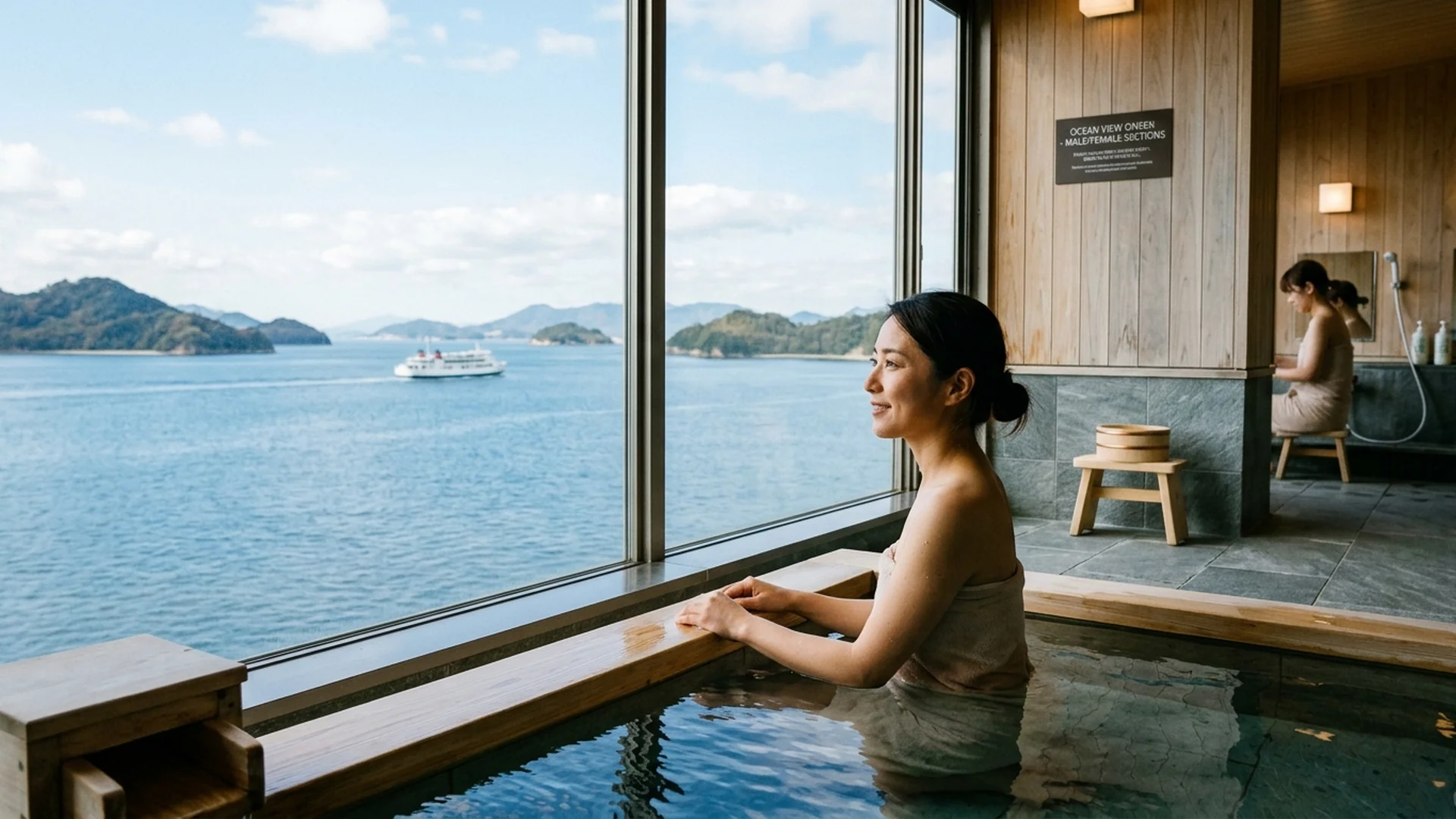
A defining hallmark of the ferry voyage is the thermal mineral bath and communal bathing facilities—luxuries entirely unique to maritime travel in this scale. Submerging into heated mineral waters while gazing through pristine glass as the vessel glides across indigo depths beneath a canopy of stars, or greeting the dawn as golden light shimmers across the swell, delivers a stillness rarely found ashore. Complementing this, the shipboard dining room presents curated seasonal buffets celebrating regional provenance—from pristinely fresh seafood and premium cuts of beef to delicate culinary creations crafted by master chefs, transforming every meal into an unforgettable gastronomic journey.
Bridges Across Waters: The Freedom of the RORO Vehicle Transit System
For enthusiasts of the open road, utilizing overnight ferries serves as the cornerstone for trans-regional exploration, such as voyaging from Oarai port in Ibaraki to Tomakomai in Hokkaido, or navigating from Kansai to Kyushu. The Roll-on/Roll-off (RORO) system renders the embarkation of personal automobiles or rental cars remarkably systematic and secure. Drivers simply follow crew directives into the cavernous vehicle deck, secure essentials for the evening crossing, and ascend to the passenger quarters. This maritime bridge not only spares travelers thousands of kilometers of highway fatigue but immediately grants absolute autonomy to explore unchartered territories the moment the vessel docks at dawn.