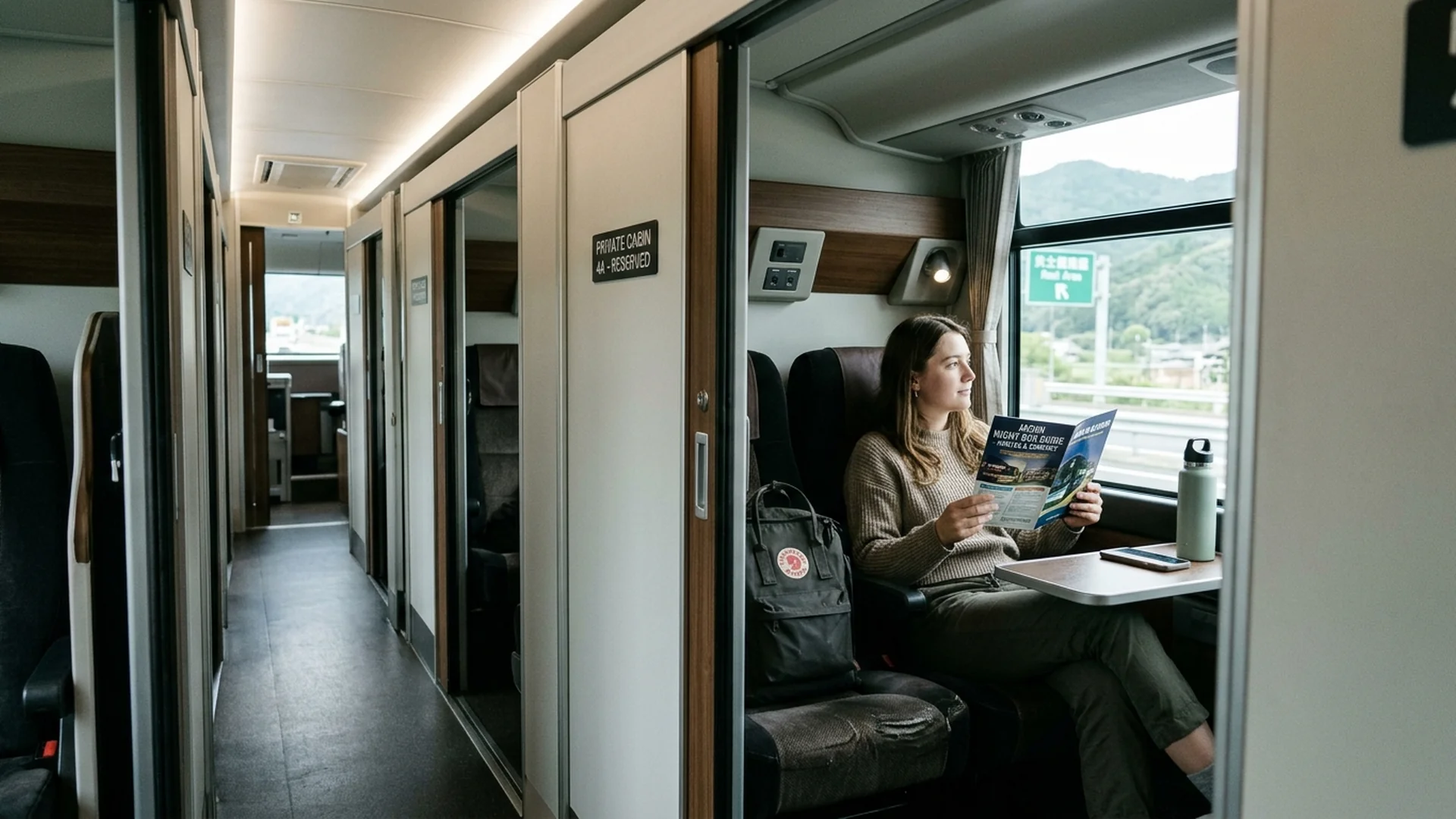
When discussing long-distance travel between sprawling metropolitan giants like Tokyo and Osaka, the traveler’s mind instinctively gravitates toward the kinetic rush of the Shinkansen bullet train or domestic aviation. Yet, woven quietly beneath the immaculate precision of Japan’s transport network lies an alternative philosophy of time and motion: the long-distance night highway bus. Far from a mere budget conveyance, the modern Japanese sleeper bus has evolved into a rolling sanctuary of quiet luxury, offering discerning travelers an ingenious way to reclaim daylight hours while embracing the nocturnal stillness of the countryside.
This renaissance in overland travel extends far beyond basic reclining seats. Flagship coaches such as the ultra-exclusive Dream Sleeper and Willer Express’s premium fleet have reimagined interiors as private airborne-style cabins on wheels. Combined with the surreal, midnight charm of Japanese expressway service areas (SA) and parking areas (PA), this journey transforms into a deliberate, contemplative voyage for travelers who prize depth and distinction over mere speed.
The Evolution of Comfort: From Standard Recliners to Private Rolling Cabins
Historically, overnight bus journeys were defined by spatial limitations and the quiet fatigue of long hours on the road. Today, however, Japan’s premier operators have engineered tiered seating concepts tailored specifically to the highest standards of personal privacy and ergonomics.
Among the most celebrated is the Dream Sleeper, operating on the Tokyo-Osaka and Nara routes, which features a mere eleven private cabins per coach. Each passenger enjoys a completely enclosed sanctuary complete with a sliding door, zero-gravity reclining seats designed to minimize physical pressure points throughout the night, and subdued ambient lighting. Similarly, the Willer Express fleet—including configurations like Cocoon and ReBorn—employs protective privacy shells that shield passengers from ambient light and passing glances, draping personal space in absolute tranquility.
The Aesthetics of Amenities and Zero-Noise Etiquette
Meticulous attention to detail defines the premier Japanese night bus experience. Upon boarding, attendants present passengers with comfortable slippers and an amenity kit containing ergonomic neck pillows, premium blankets, surgical masks, and steam eye masks designed to induce deep slumber.
Cabin culture is strictly governed by a collective ethos of zero-noise and darkness etiquette. By approximately 23:00, primary cabin lights dim into a gentle amber glow. Phone conversations, audio playback without headphones, and bright screen usage are strictly discouraged, ensuring that all travelers may drift into uninterrupted rest within an envelope of profound silence.
The Nocturnal Allure of Expressway Service and Parking Areas
A quintessential highlight of the overnight journey is the rhythm of stops along major expressways at designated Service Areas (SA) and Parking Areas (PA). The coach pauses every two to three hours, allowing passengers to stretch their legs while adhering to strict driver safety regulations.
Major hubs along the Tomei or Meishin expressways—such as Ebina SA or Hamanako SA—transcend conventional rest stops. Illuminated brightly against the deep velvet of the night, they function as vibrant late-night micro-villages complete with 24-hour convenience stores, automated specialty kiosks vending piping-hot local broths, and boutiques offering artisanal regional souvenirs. Stepping out into the crisp midnight air at 2:00 AM to sip hot chocolate or sample a prefecture-famous confection offers an intimate, sensory encounter entirely absent from high-speed rail travel.