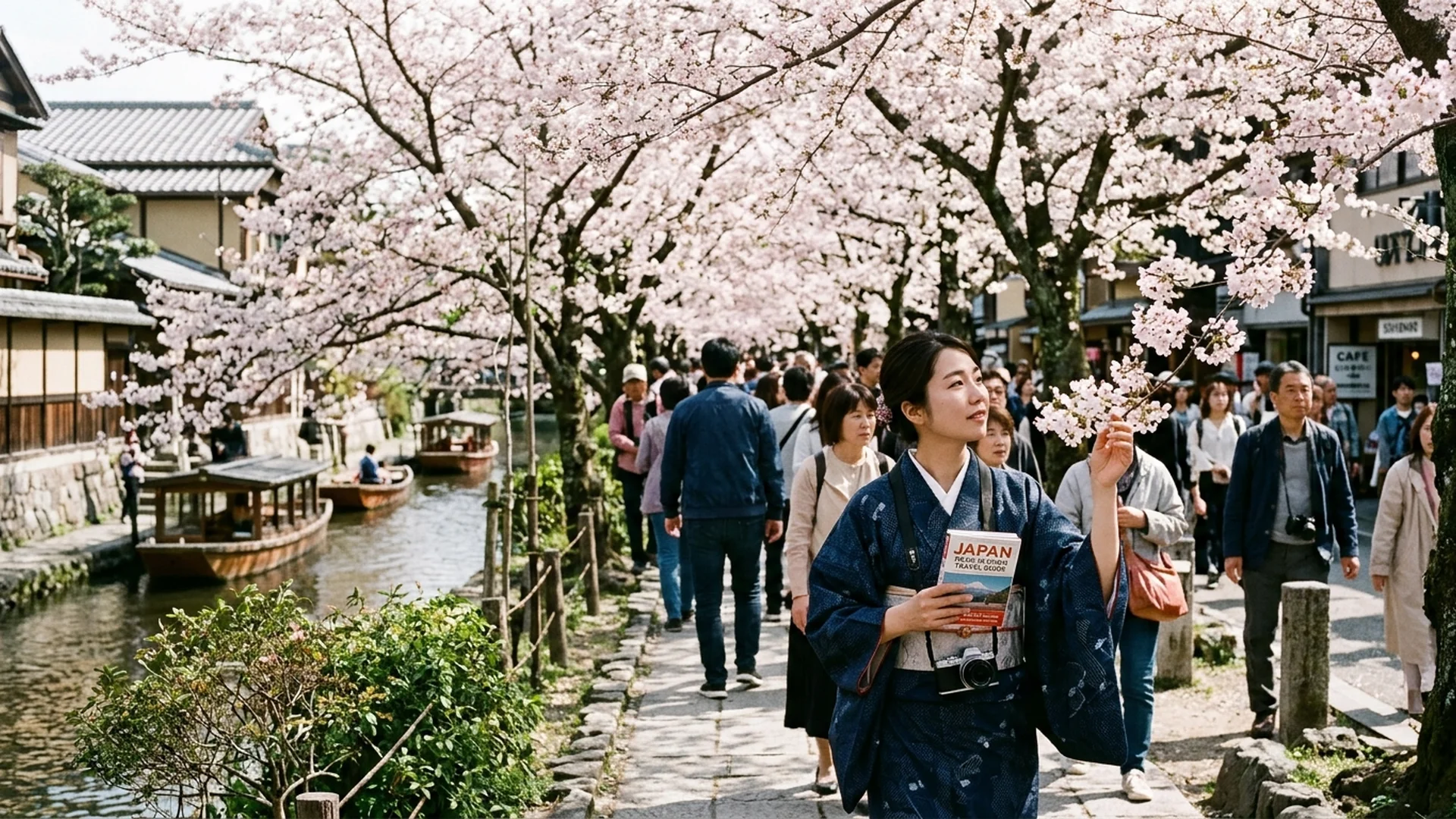
When delicate pink petals begin to drift on the spring breeze or ancient mountain forests are ablaze with crimson hues, Japan transforms into a global stage of unmatched natural beauty. Yet, this captivating spectacle invariably draws a sea of travelers, threatening to eclipse the profound stillness that defines the country’s sacred landscapes. Approaching Japan during peak seasons—whether the fleeting bloom of sakura or the fiery embrace of koyo (autumn foliage)—demands far more than a casual calendar booking. It requires a refined, strategic artistry grounded in meteorological insight, rhythmic timing, and fluid adaptability, ensuring you experience the landscape in its most intimate and profound dimension.
The Art of Reading Forecasts and Real-Time Adaptation
The core of planning a journey around Japan’s seasonal transformations lies not in locking down immutable dates months in advance, but in understanding the subtle cadence of nature. Meteorological forecasts serve merely as an initial compass; the discerning traveler must analyze the rate of temperature fluctuation in the fortnight leading up to the bloom. A prolonged cold spell may delay blossoms, while an unexpected thermal current can cause petals to open and shed with sudden swiftness. Developing a resilient secondary itinerary—shifting northward or southward in real-time response to floral progress—is the ultimate safeguard against missed expectations.
The Golden Hours: Serene Dawns and Nocturnal Illumination
When navigating renowned cultural landmarks in Kyoto or Tokyo, daytime hours are invariably swept up in bustling movement. The strategic antidote is a deliberate revolution of your waking hours. Venture toward celebrated vantage points such as Kiyomizu-dera or Ueno Park before dawn—ideally before 07:00—when the first slanting rays of sunlight kiss the canopy untouched by human shadows. Conversely, evening viewings during seasonal illumination events offer an entirely distinct aesthetic vocabulary: a moodier, more contemplative, and profoundly tranquil atmosphere that contrasts sharply with the daytime rush.
Beyond the Obvious: Unveiling Alternative Scenic Vistas
Japan’s seasonal poetry is by no means confined to crowded capitals or legendary tourist clusters. For travelers seeking to bypass the congestion of peak tourism, exploring secondary destinations and alternative viewpoints offers an exquisite solution. Consider tracing quiet canals in suburban Tokyo districts or wandering through serene, misty valleys in the Tohoku region rather than concentrating solely within historical Kyoto. These secluded pockets offer vistas that rival their famous counterparts while inviting travelers to absorb authentic local rhythms and hard-to-find tranquility.