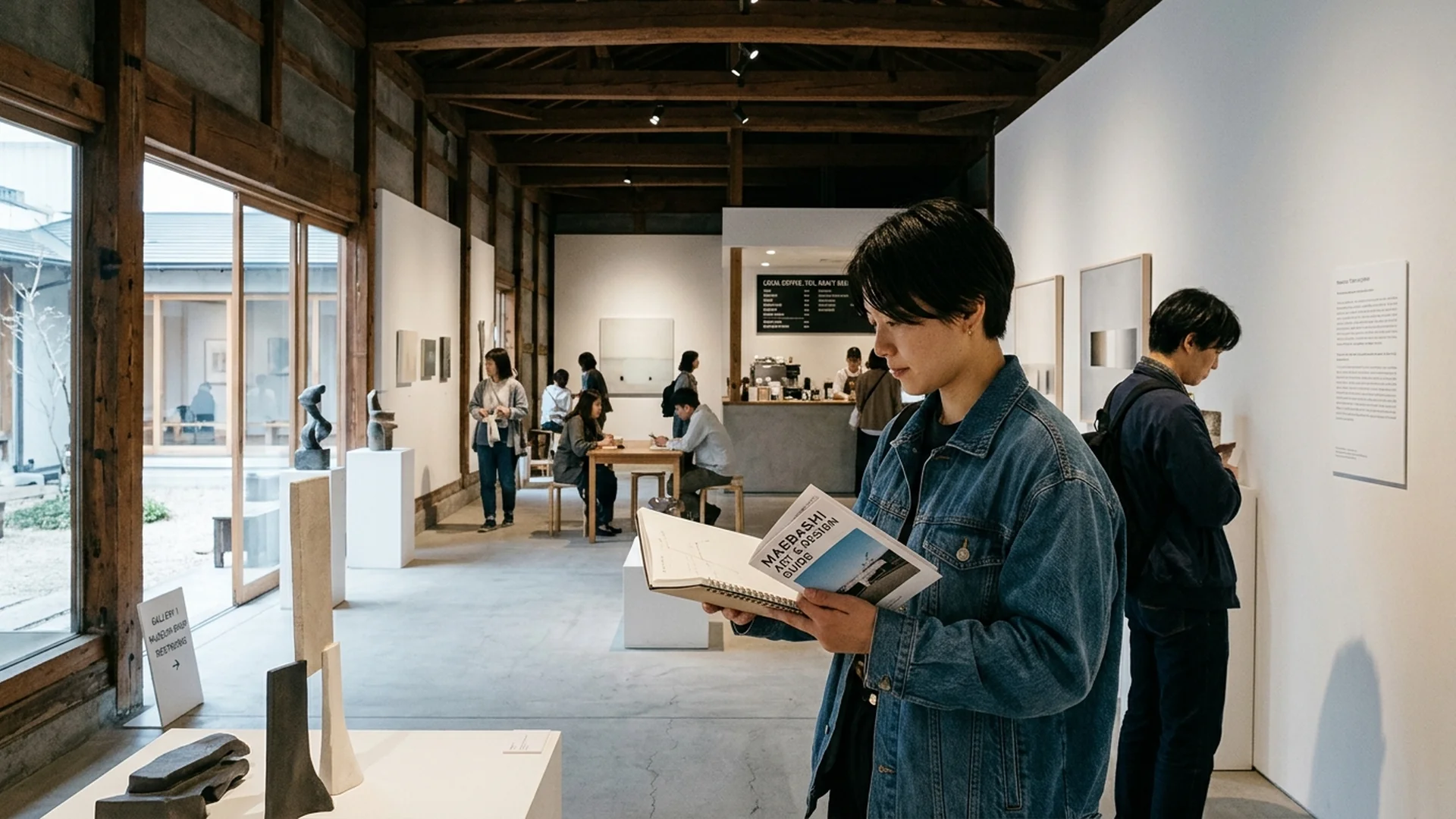
When a hush settles over a land once vibrant with the heritage of silk weaving, a new journey begins to awaken a city from its quiet slumber. Maebashi, the capital of Gunma Prefecture, is far more than a mere threshold to the rugged embrace of surrounding peaks; it is actively redefining the very essence of international art and architectural tourism. Through an inspired urban renaissance, the city seamlessly weaves ancestral cultural heritage with striking contemporary design.
Arrival here feels akin to opening the pages of a slender, exquisitely bound volume filled with refined tastes. The comforting aroma of pour-over coffee from local micro-roasteries, mingling with the crisp breeze drifting along the Hirose River, paints a portrait of a city that moves at an unhurried yet powerful cadence. Against the majestic backdrop of Mount Akagi, Maebashi whispers to the mindful traveler seeking sanctuary and aesthetic grace, inviting them to experience a rhythm entirely distinct from the restless pulse of the metropolis.
Architecture of Resurrection: Shiroiya Hotel and the Vision of Design
The beating heart driving Maebashi onto the global design map is the radical resurrection of a centurylong heritage inn, offering untethered freedom to creative imagination. Shiroiya Hotel transcends traditional lodging, functioning instead as a living gallery where acclaimed architect Sou Fujimoto crafted pristine white subterranean structures alongside Art Rooms curated in collaboration with elite domestic and international artists. Raw concrete walls, avant-garde sculptural installations, and shifting natural daylight filtering through the atrium narrate a story of seamless integration between architecture and surrounding nature. To drift into sleep amidst such high-brow artistry within guest chambers where no two layouts are alike remains an invaluable privilege for the design-conscious wanderer.
Artistic Coordinates and Craft Traditions Along the Hirose River
A contemplative stroll through Maebashi naturally begins at Arts Maebashi, a civic museum founded on the philosophy that art must inhabit the daily pulse of everyday life. The institution regularly curates inspiring contemporary exhibitions that provoke deep reflection. From there, meandering along the shaded pathways of the Hirose River—a gentle stream acting as the cultural artery of the town—reveals specialty craft coffee houses, independent bookstores, and intimate ceramic studios. These spaces quietly reflect the serene yet fiercely creative spirit of the locals. Meanwhile, the historic Shuo-dori arcade preserves lingering echoes of the Showa era, artfully revitalized by chic independent boutiques and weekend artisan markets.
Alpine Embrace and the Culinary Sophistication of Joshu Cuisine
Venturing slightly beyond the urban core leads directly to the foothills of Mount Akagi, an ancient dormant volcano sheltering tranquil caldera lakes above. Here, the landscape undergoes breathtaking seasonal transformations, shifting from fiery autumn foliage mirrored in emerald waters to pristine winter stillness. For lovers of botanical splendor, Shikishima Park along the Tone River offers an immaculate setting for leisurely strolls amidst blooming blossoms. As evening descends, Maebashi’s culinary narrative deepens through regional Joshu delicacies, ranging from impeccably marbled Joshu Wagyu beef to handmade Hanawa udon noodles crafted with uncompromising devotion by a new generation of chefs honoring their culinary roots.