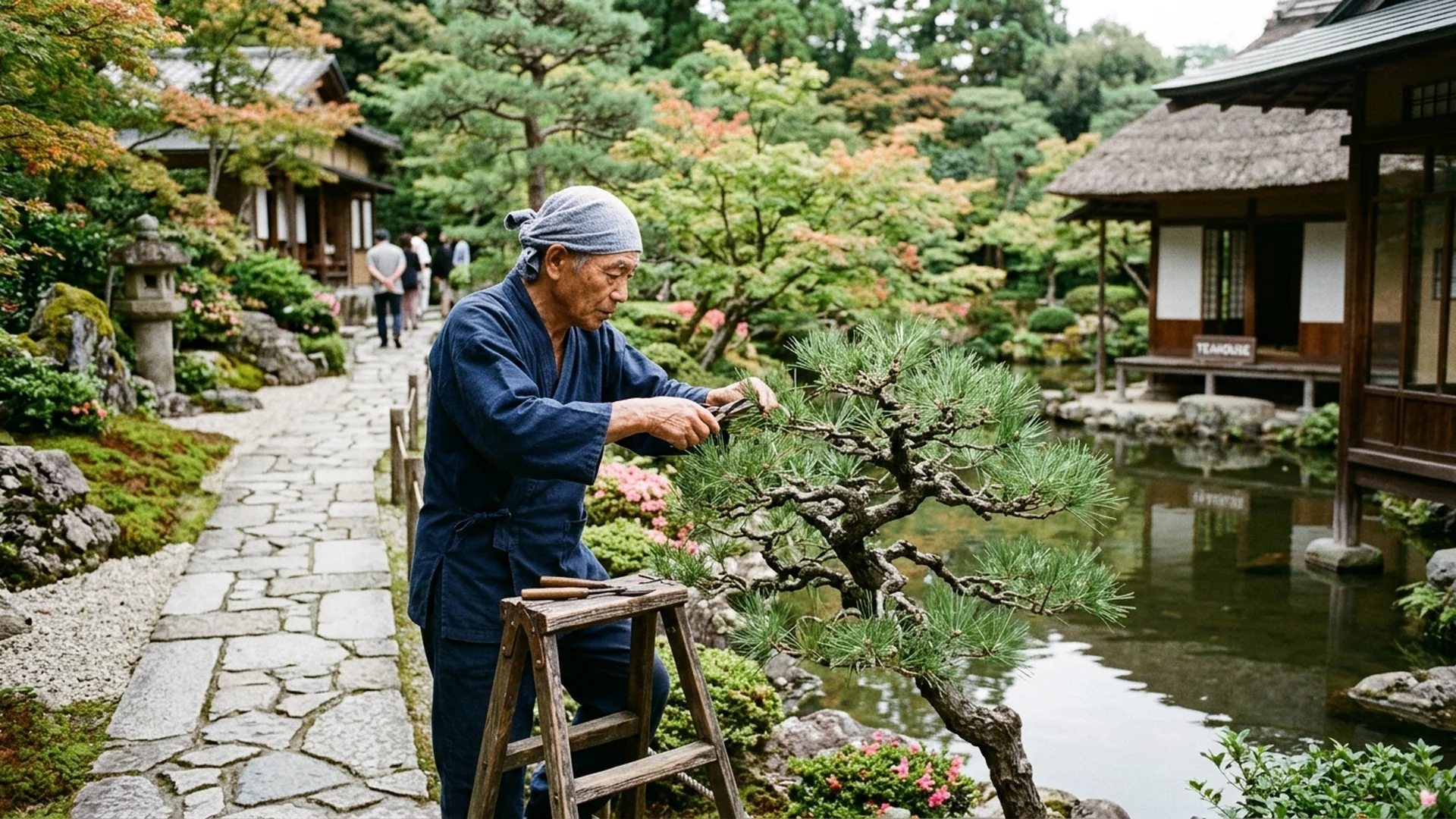
When the gates of time swing open to profound stillness, the clamor of the outside world dissolves into ancient pines and deep shadows. Ryokaku-en Garden is far more than a manicured expanse of green; it is a living poem inscribed upon stone, gravel, and historic timber, reflecting pure Zen philosophy and the unadulterated Japanese spirit. For the discerning traveler seeking an engagement far richer than conventional sightseeing, this sanctuary invites you to decelerate your rhythm, savor meaning-laden beauty, and touch the delicate threads of history carefully preserved across the shifting ages.
Deciphering the Philosophy and Historical Roots of Ryokaku-en Garden
Beneath the surface of this quiet earth and ancient foliage lies a deep historical narrative, intimately bound to Buddhist heritage and the aesthetic sensibilities of earlier eras. Landscape design here was never intended merely for ocular pleasure; it is firmly anchored in the Zen philosophy of impermanence and profound simplicity, known as Wabi-Sabi. Every single element—whether a line of stones arranged to evoke towering mountain ranges or raked gravel pathways symbolizing rushing torrents—is meticulously composed to guide the visitor inward, fostering contemplation on the timeless equilibrium between humanity and the natural world.
Ancient Timber Architecture and Master Craftsman Precision
The defining core elevating this sanctuary above the ordinary is the flawless integration of natural terrain with traditional wooden architecture. The historic structures within the grounds showcase the genius of classical Japanese master carpenters (Miya-daiku), utilizing nail-less joinery techniques known as Kigumi. This sophisticated methodology not only grants exceptional resilience against natural elements but preserves the organic beauty of timber as it gracefully ages through shifting seasons and weather. Paper fusuma partitions, fragrant tatami mats, and sweeping wooden verandas overlooking the ponds invite an intimate, tactile engagement with heritage craftsmanship.
The Aesthetics of the Four Seasons: Nature as the Supreme Artist
The brilliance of Ryokaku-en lies in its restless, ever-evolving canvas. The scenery transforms dramatically across the turning wheel of the seasons. Spring brings delicate blossoms and dancing branches full of vibrant renewal, while summer unfurls deep canopies that filter sunlight into gentle, jade-tinted shadows. Autumn clothes the surrounding forest in fiery crimsons and burnished gold against dark stone, and winter blankets the timber eaves and pine boughs in pristine white snow, transmuting the entire estate into a serene, sacred ink-wash painting.