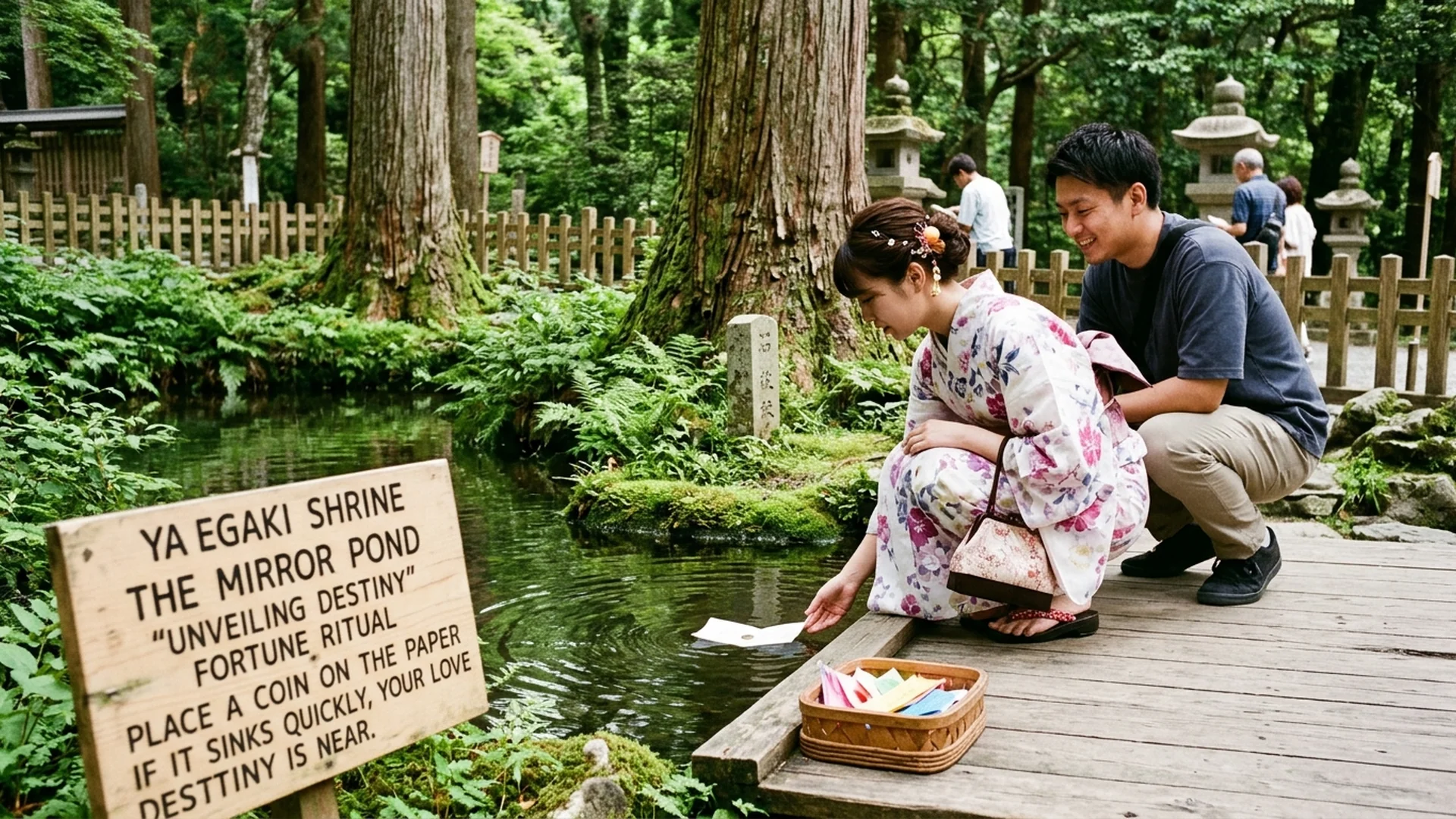
Deep within the primeval forests of Shimane Prefecture lies a sacred sanctuary where the whispering winds sound like ancient verses dedicated to love, devotion, and destiny. Yaegaki Shrine is far more than a conventional cultural landmark; it is the cradle of the very first love story in Shinto philosophy. Here, the deity Susanoo-no-Mikoto vanquished the dreaded eight-headed serpent to protect Princess Kushinadahime, before constructing their bridal home and uniting in marriage—founding the eternal concept of sacred partnership that the Japanese people revere to this day.
Crossing the threshold into Yaegaki Shrine feels akin to stepping backward through the veils of time into the pristine dawn of mythology. The atmosphere is steeped in the reverent majesty of centuries-old sacred trees and natural mountain mists that mirror spiritual purity. For the discerning global traveler seeking profound relational truths and a contemplative quietude unattainable in bustling metropolises, this is an essential destination where legend and the modern world seamlessly intertwine.
The Genesis of Romance: From Deity’s Tears to the First Bridal Home
According to the ancient chronicles of the Kojiki, the narrative of Yaegaki Shrine unfolds when the storm god Susanoo was cast down from the heavens. Upon his descent, he encountered the elderly parents of Princess Kushinadahime weeping bitterly, as they were forced to sacrifice their youngest daughter to the terrifying eight-headed serpent, Yamata no Orochi. Susanoo intervened, subduing the beast through clever guile and righteous strength.
Following his victory, the deity chose this verdant valley to construct a formidable defensive barrier of lush greenery to shield his beloved, uttering an ancient verse that is celebrated as Japan’s very first Sakimori poem. The lyrics speak of building an impenetrable fence to guard one’s beloved, giving rise to the name ‘Yaegaki,’ which translates to intricate and unbreakable protective fences. Thus, this sanctuary endures as the ultimate symbol of love forged through trials and an unwavering vow of eternal protection.
The Lore of the Mirror Pond: Ancient Rituals of Heart’s Divination
The beating heart that draws romantic pilgrims from across the globe to Yaegaki Shrine is the Kagami-no-ike, a secluded natural water basin nestled behind the main sanctuary. This pristine surface was once utilized by Princess Kushinadahime as a looking glass to reflect her countenance.
The divination ritual commences by acquiring a sacred paper talisman (O-fuda) from the shrine office, which is then gently placed upon the water’s surface alongside a light coin—typically a 10-yen or 100-yen piece. The profound wonder of the ritual lies in how the prophetic messages gradually materialize upon the paper as it touches the water, timed with the moment the paper finally submerges. If the paper sinks swiftly within fifteen minutes, it signifies that one’s destined companion or joyous romantic news will arrive imminently. Should it require over thirty minutes or drift far across the pool, it suggests that fate requires patient nurturing. This ritual is far more than mere amusement; it is a profound exercise in meditative intention amidst the absolute serenity of the forest.
Shimane’s Architectural and Spiritual Heritage
The primary structures of Yaegaki Shrine exemplify classical Shinto architecture, meticulously designed to achieve total harmony with the surrounding topography. Aromatic timbers and roofs thatched with Hinoki cypress bark reflect an exquisite dedication to detail. Within the sacred precinct stands the ‘Twin Pines’ (Fu-bu-ki no Matsu), a miraculous pairing of trees rising from a single shared root system before dividing and intertwining once more—a living allegory of enduring companionship through all seasons of life.
A pilgrimage to Yaegaki Shrine also opens the gateway to the cultural treasures of the San’in region. Matsue is celebrated as a domain of tranquil waterways and samurai heritage. Connecting a visit here with the architectural splendor of Matsue Castle—one of Japan’s few remaining original fortresses—and the world-renowned Adachi Museum of Art elevates the journey into an uncompromised synthesis of intellectual enrichment and aesthetic grace.