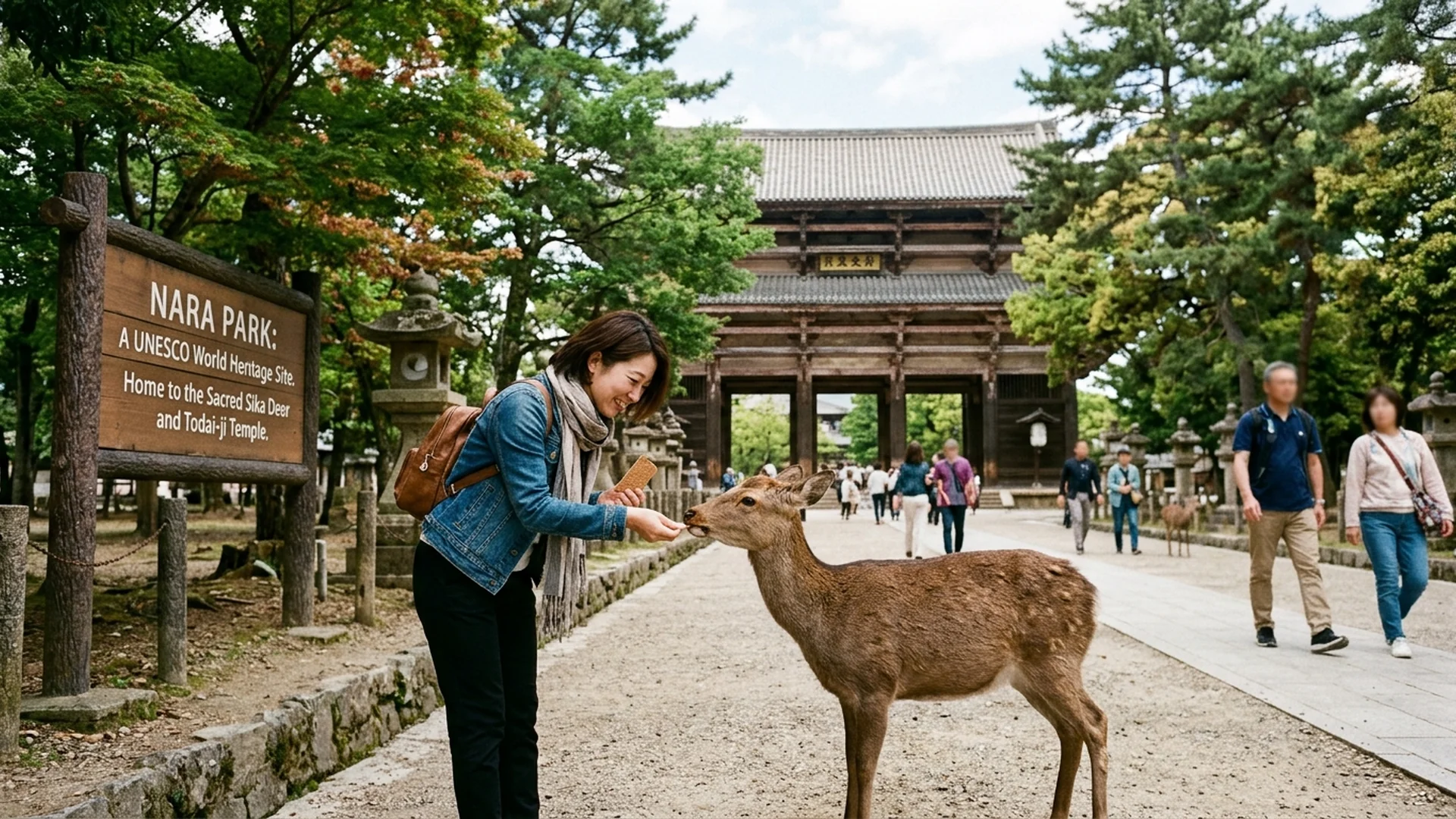
When the first morning light cuts through ancient pine groves and tranquil woodlands, a delicate mist lingers above the surface of historic ponds. The soft, measured footfalls of wild deer grazing gracefully across verdant carpets of grass echo a bond that has endured for over a millennium between humanity, nature, and the spiritual essence of Japan. Nara Park is far more than a conventional recreational expanse; it is a living, breathing open-air museum preserving the glorious historic chapters of the former imperial capital, Heijo-kyo, in astonishing completeness.
Crossing into this realm in the early hours, before the rising tide of global travelers arrives, unlocks a profound stillness rarely found in the modern world. Here, UNESCO World Heritage status is not confined to intricately carved historic rooftops; rather, it fuses seamlessly with the natural landscape, wildlife, and daily rhythm, creating an immortal beauty that embraces every discerning visitor with deep intellectual and aesthetic resonance.
Heritage of Faith: The Architectural Grandeur of Todai-ji Temple
The beating heart of Nara Park is undeniably Todai-ji, a monumental Kegon Buddhist complex established in the 8th century by imperial decree of Emperor Shomu as the spiritual nucleus for the nation’s protection. The colossal wooden main hall, known as the Daibutsuden or Great Buddha Hall, is celebrated as one of the largest timber structures on earth. Despite centuries of meticulous reconstruction through changing eras, its sheer scale and breathtaking proportions command an instant, awestruck silence.
Within the hall rests the Nara Daibutsu, a colossal bronze Vairocana Buddha soaring over fifteen meters high, radiating absolute compassion and serene stillness amid the dim sanctuary. Flanked by powerful guardian deities, standing before this ancient masterpiece offers a deeply transcendent spiritual connection, reflecting the unwavering devotion and exquisite craftsmanship of early Japanese artisans.
The Sacred Deer of Kasuga: Symbols of Grace and Ecological Harmony
The most iconic imagery of Nara remains its roaming herds of over a thousand deer wandering freely across woodlands and manicured lawns. According to ancient lore, these deer descended as divine messengers who escorted the deity Takemikazuchi-no-Mikoto to enshrine himself at Kasuga Taisha on the forested slopes above, granting them strict divine protection since antiquity.
Observing these gentle creatures move through the misty shadows and thousands of moss-covered stone lanterns creates an atmosphere of profound reverence. Travelers may interact respectfully through specialized deer crackers, a ritual underscored by refined etiquette—such as bowing slightly before and after feeding to acknowledge a mutual respect between mankind and the natural world.
Seasonal Metamorphosis: Nara Park Through the Turning Year
The landscape of Nara Park transforms through the seasons like a series of classical paintings. During spring, the shores surrounding Sarusawa Pond and the grounds of the Nara National Museum erupt in soft pinks as hundreds of cherry blossoms peak against the backdrop of Kofuku-ji’s elegant five-story pagoda.
When autumn arrives, the park’s forests ignite in vibrant hues of crimson and gold, contrasting sharply with emerald turf and the russet coats of the deer herds. Wandering these contemplative trails restores vitality while offering fresh perspective on the subtle, powerful philosophy of Wabi-Sabi woven into every contour of the terrain.