Where the formidable currents of the Shinano River meet the deep indigo expanse of the Sea of Japan, winter winds sweeping down from the mountain ranges shape Niigata into a frontier of distinct cultural identity. Leaving behind the relentless momentum of the capital, travelers arrive in a historic port town steeped in the earthy aroma of prized rice grains, centuries-old sake cellars, and contemporary architecture that honors past prosperity.
Visiting Niigata today is an invitation into the world of slow luxury, where the untouched simplicity of nature harmonizes with immaculate craftsmanship. Whether savoring the tender sweetness of Koshihikari rice cooked in mineral-rich mountain spring water, appreciating the profound depth of premium sake aged through generations of quiet mastery, or listening to the delicate strains of a shamisen drifting from a historic geigi district, every facet speaks of a region where time slows to let true beauty settle in.
The Spirit of Waters and Koshihikari: The Roots of Gastronomy
If the heartbeat of Japanese cuisine is rice, Niigata is its most sacred kitchen. The expansive alluvial plains of the Shinano and Agano river basins are constantly replenished by mineral-rich runoff from snow-draped peaks. These immaculate natural elements endow Niigata’s Koshihikari rice with plump, glistening grains and a uniquely sweet, lingering finish.
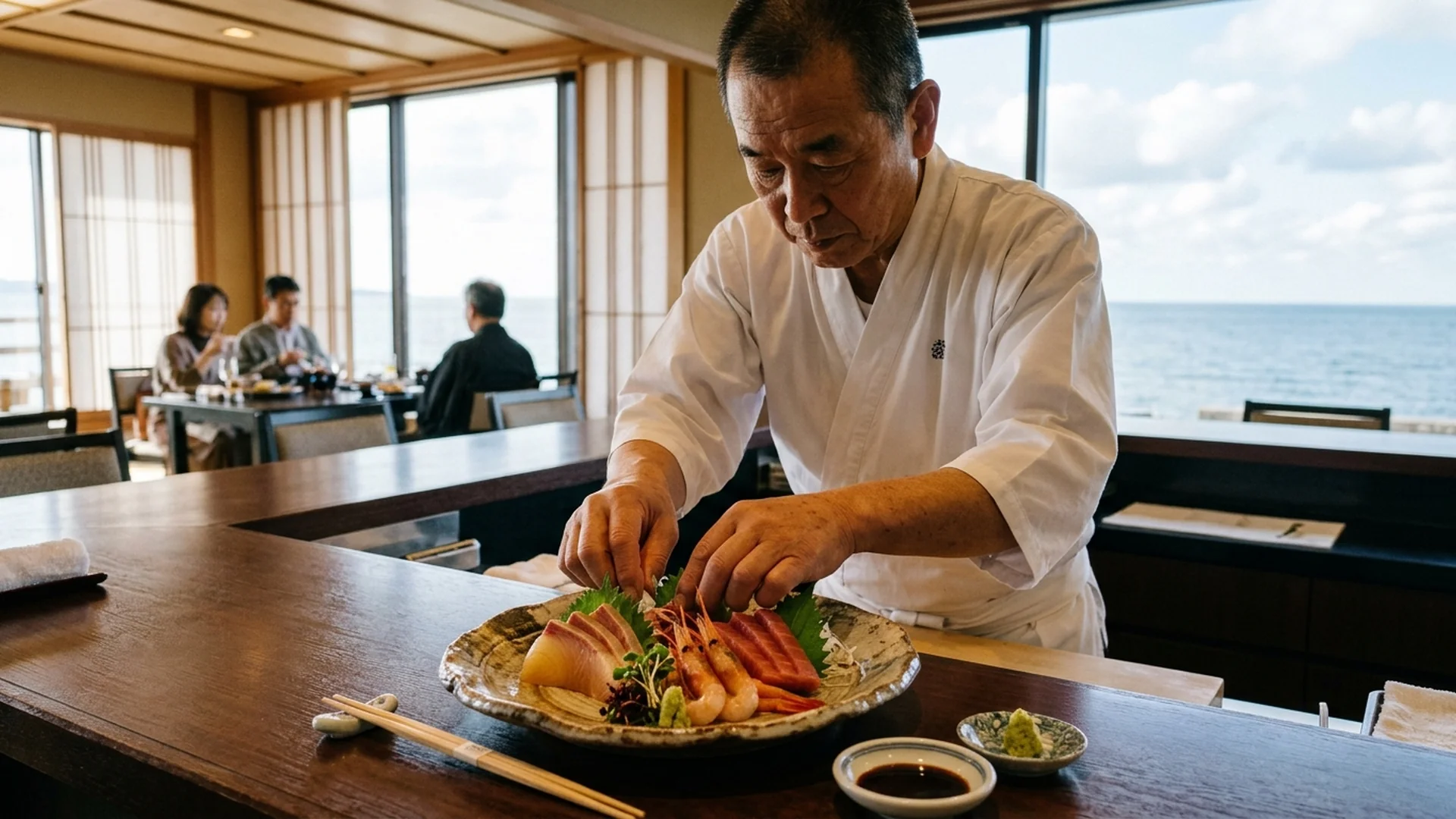
This agricultural abundance extends seamlessly into culinary artistry at the Pier Bandai market, where the absolute freshest catches from the Sea of Japan await fine dining enthusiasts. Most notably, the prized Nodoguro (blackthroat seaperch), with its rich, melting layers of fat, is lightly salted and grilled over charcoal to be paired with freshly steamed rice—an exquisite meal embodying the pure bounty of both sea and earth.
Sanctuaries of Sake: The Art of Brewing in Pristine Air
Niigata’s heavy winter snowfalls and freezing temperatures are not hardships, but rather the essential catalysts for crafting extraordinary sake. The region hosts over 80 sake breweries—the highest concentration in the nation—each preserving esoteric techniques passed down through centuries.
A visit to historic establishments like Imayo Tsukasa, founded in 1767, unveils the meticulous art of fermentation utilizing pure rice and crystal-clear subterranean spring water. An absolute highlight for connoisseurs is Ponshokan, located within Niigata Station, which functions as a living museum of regional brewing. Here, an impressive wall of automated tasting dispensers allows travelers to sample over a hundred varieties using token coins, spanning the crisp, dry elegance of Tanrei Karakuchi to the gently aromatic profiles unique to the prefecture.
Furumachi and the Shamisen: A Heritage of Prestigious Hospitality
During the Edo period, Niigata flourished as one of the most vibrant trading ports along the Sea of Japan. The immense wealth generated by maritime commerce blossomed into an elevated entertainment culture within the Furumachi district, long revered as one of Japan’s three great geigi hubs alongside Kyoto and Tokyo.
Even today, traditional timber architecture lines the serene streets of Furumachi. Witnessing the exquisite fan dances and classical melodies performed by accomplished Furumachi geigi—masters of etiquette and classical arts—within a tatami room overlooking a classical Japanese garden is an exceedingly rare cultural encounter. It preserves the meticulous attention to detail and profound omotenashi (hospitality) that defines historic Japanese grace.
Architecture and Vistas: The Bandai Bridge and Sea Horizons
No exploration of Niigata is complete without appreciating its architectural landmarks and striking topography. The Bandai Bridge, a 306-meter reinforced concrete span crossing the Shinano River, stands as an enduring monument to local resilience. Having survived devastating earthquakes and wartime trials, the bridge is officially designated as a National Important Cultural Property.
At dusk, a leisurely stroll along the riverbank captures the amber glow of the setting sun mirroring the cool waters. Ascending to the Befco Bakauke Observatory Lounge inside the Niigata Nippo Media Ship at a height of 125 meters yields a breathtaking 360-degree panorama, sweeping from the bustling port and river mouth all the way to the vast horizon of the Sea of Japan and the distant silhouette of Sado Island.