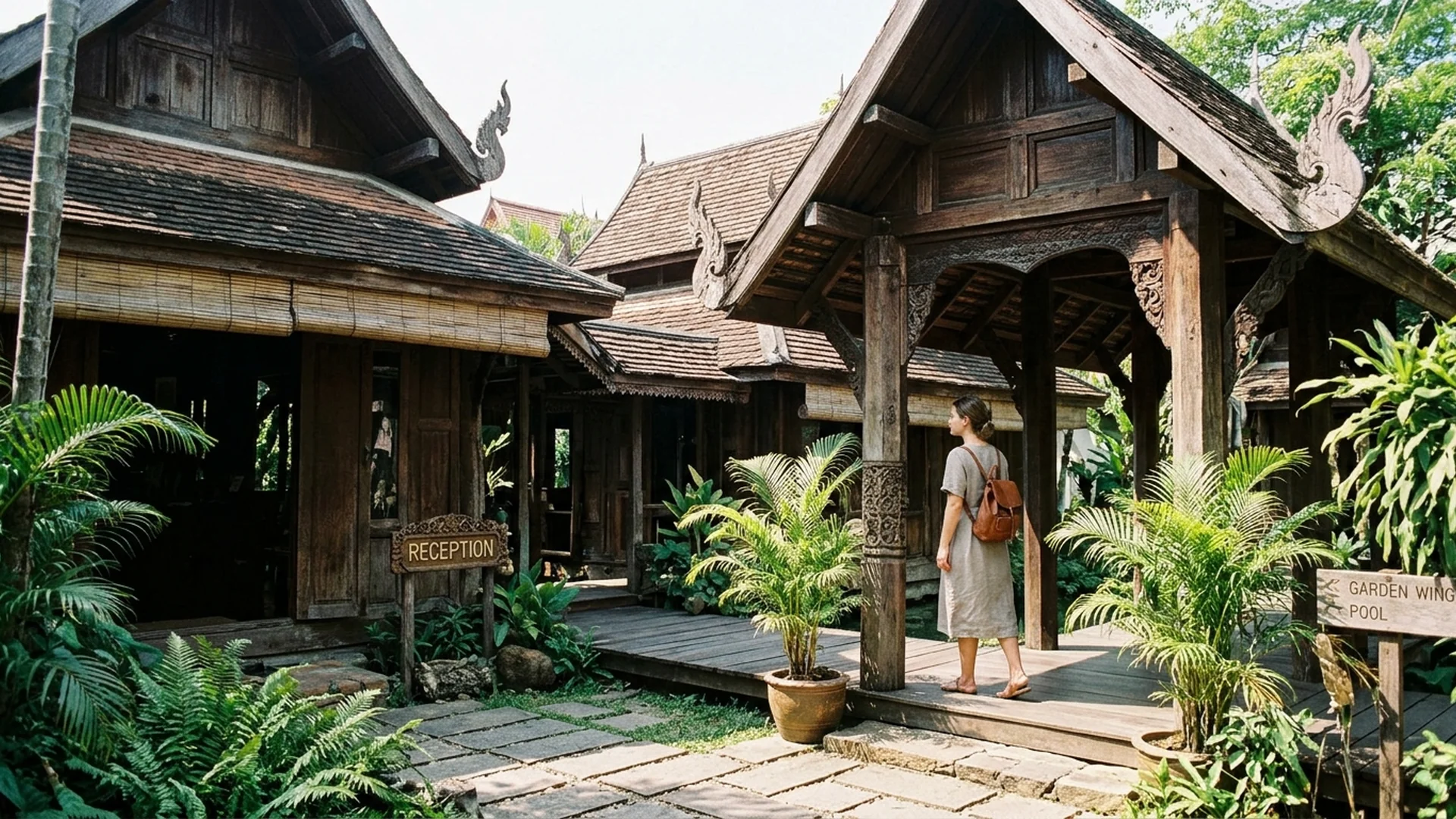
When stepping across a centuries-old teakwood threshold, the hurried cadence of the modern world dissolves into the quiet dust of history. The subtle aroma of aged timber, natural oils, and dawn-blossomed flowers lingers in soaring, high-ceilinged halls designed centuries ago with innate climatic wisdom. Thailand reveals its soul not merely through azure coastlines and gilded temples, but through the profound preservation of architectural memory housed within its heritage hotels—sanctuaries that quietly narrate stories through hand-carved pillars, ornate fretwork, and the enduring patina of a bygone era.
Residing within these historical sanctuaries is far more than a transient overnight stop; it is an introspective ritual, inviting travelers to step backward into an era of understated elegance. Supported by structures meticulously revitalized with a profound reverence for ancestral roots, this is the refined art of travel for discerning global connoisseurs seeking a tactile connection to living cultural heritage.
Living Architecture: The Boundary Between the Authentic and the Replica
In an era where superficial cinematic backdrops are easily manufactured, what firmly distinguishes a true Heritage Hotel is its palpable ‘Spirit of Place.’ These venerable edifices are never artificial constructions designed for transient tourism; they are former aristocratic manors, provincial courthouses, or colonial administrative residences that bore witness to pivotal chapters of national history. Every fissure in the aged teak, every whisper of oxidation on brass window latches, and every gentle indentation in antique cement-tile flooring serves as a primary historical record. Master artisans work in profound collaboration with heritage conservationists, repairing rather than replacing, honoring structural integrity above all else. Sleeping within a space that retains the literal breath of the past imparts a deep, meditative serenity that contemporary luxury builds simply cannot replicate.
Three Dimensions of Aesthetics: Lanna, Colonial, and Riverside
The landscape of historical hospitality in Thailand mirrors a rich tapestry of cultural cross-currents across three primary vernaculars. In the misty northern reaches, Lanna Heritage Lodges present elevated golden-teak structures featuring low-slung, multi-tiered roofs engineered to catch cool seasonal breezes, adorned with intricate rosewood carvings and European fretwork fused with Burmese influences. Descending southward to historic urban centers and old-town quarters, the eye meets the substantial charm of Sino-Colonial architecture—thick masonry walls, extended arcaded verandas, louvered wooden shutters, and breathable vent tiles designed to temper tropical heat. Finally, along the meandering tides of the Chao Phraya River, traditional Thai waterfront dwellings celebrate an intimate symbiosis with the water, utilizing open-air frameworks that honor centuries of vernacular intelligence designed for tropical living.
The Art of Convergence: Quiet Modernity Hidden Within the Ancient
The supreme challenge in transforming a historic structure into an ultra-luxury retreat lies in concealing modern engineering behind the venerable facade without compromising historical integrity. Climate control systems are invisibly routed through historical cavities, contemporary marble sanctuaries are thoughtfully proportioned into former veranda spaces, and bespoke lighting designs cast warm amber glows across rich teak grains and historic plaster walls by night. Every physical and sensory element is meticulously calculated, ensuring that the discerning traveler enjoys uncompromising modern comfort while remaining undisturbed by the illusion of time passing.