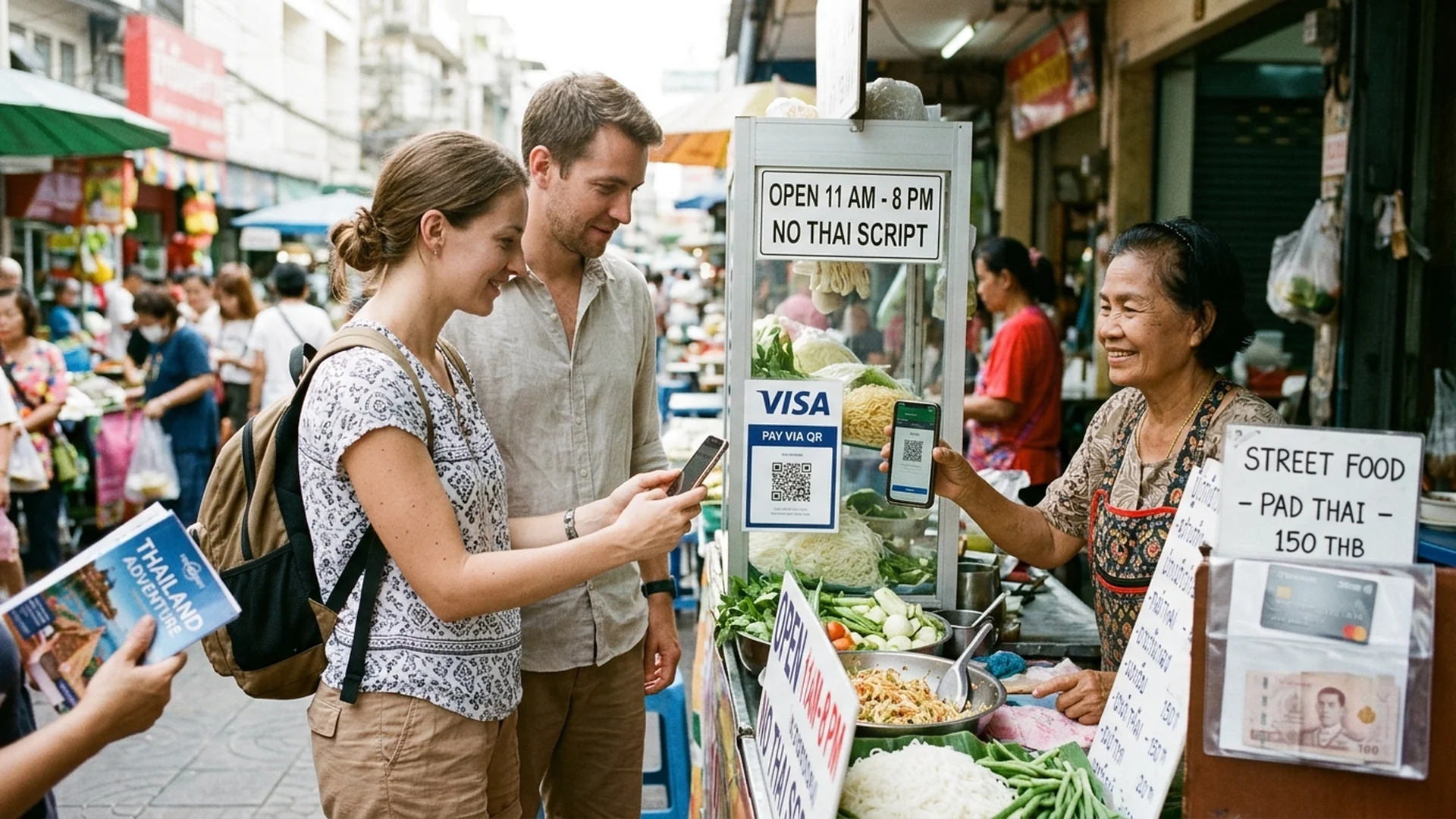
The rhythmic ping of a smartphone echoing against the gentle slosh of a long-tail boat on the Chao Phraya River, or the casual tap of a screen to settle a bill at a curbside noodle stall, tells a vivid story. Thailand has confidently stepped across the threshold of traditional currency into a fully realized digital age. Yet, beneath the seamless convenience of the local PromptPay system—a marvel that has left domestic wallets nearly obsolete—lies a labyrinth of nuances that frequently surprises the discerning international traveler.
For those accustomed to plastic or universal contactless methods, navigating this hyper-digitized landscape requires more than just curiosity. A nuanced understanding of the financial machinery at play, the delicate threshold where the cashless world meets remote limitations, and the art of budgeting forms the cornerstone of a frictionless journey. To travel gracefully through the Kingdom today is to master the intricate dance between instantaneous digital transactions and the timeless reassurance of physical currency.
The Architecture of Velocity: How PromptPay Shapes Daily Life
To examine Thailand’s current financial infrastructure is to witness a masterclass in modernization. The PromptPay network stands as a transformative innovation, seamlessly linking bank accounts directly to mobile telephone numbers or national identification codes. The utter simplicity of scanning the distinctive blue or turquoise QR codes displayed by merchants renders transactions complete within mere seconds, bypassing the need for physical tender and exact change.
For the discerning traveler, understanding the mechanics of the static QR code—where the buyer manually inputs the exact purchase amount—and observing the affirming green success screen is akin to learning a new international dialect. It is an intimate glimpse into contemporary local existence, transforming a routine purchase into an act of cultural immersion.
The Technological Horizon: Bridging Cards and Remote Frontiers
While premier shopping emporiums, design hotels, and metropolitan convenience stores embrace foreign credit cards and contactless systems with effortless grace, a distinct contrast emerges the moment one ventures toward limestone archipelagos, mist-veiled mountain ranges, or heritage artisan villages.
Independent rural eateries, beachside wellness practitioners, and local transport providers frequently remain tethered to cash or localized domestic QR networks. Expecting universal plastic acceptance in every corner of the Kingdom risks introducing unnecessary logistical friction into an otherwise unhurried itinerary.
The Fine Art of Cash Flow and Currency Logistics
Curating an elegant financial strategy for a Thai sojourn requires a sophisticated appreciation of structural transaction costs. Utilizing a foreign debit or credit card to withdraw local currency from a domestic ATM typically incurs a standardized operator fee of approximately 220 Thai Baht per transaction, levied directly by the local banking network.
Consequently, the most prudent approach avoids frequent micro-withdrawals. Instead, sophisticated travelers calculate short-term expenditure horizons with precision, withdrawing optimal lump sums per cycle while ensuring that secondary cards and emergency funds are securely stowed across separate, protected channels throughout the expedition.