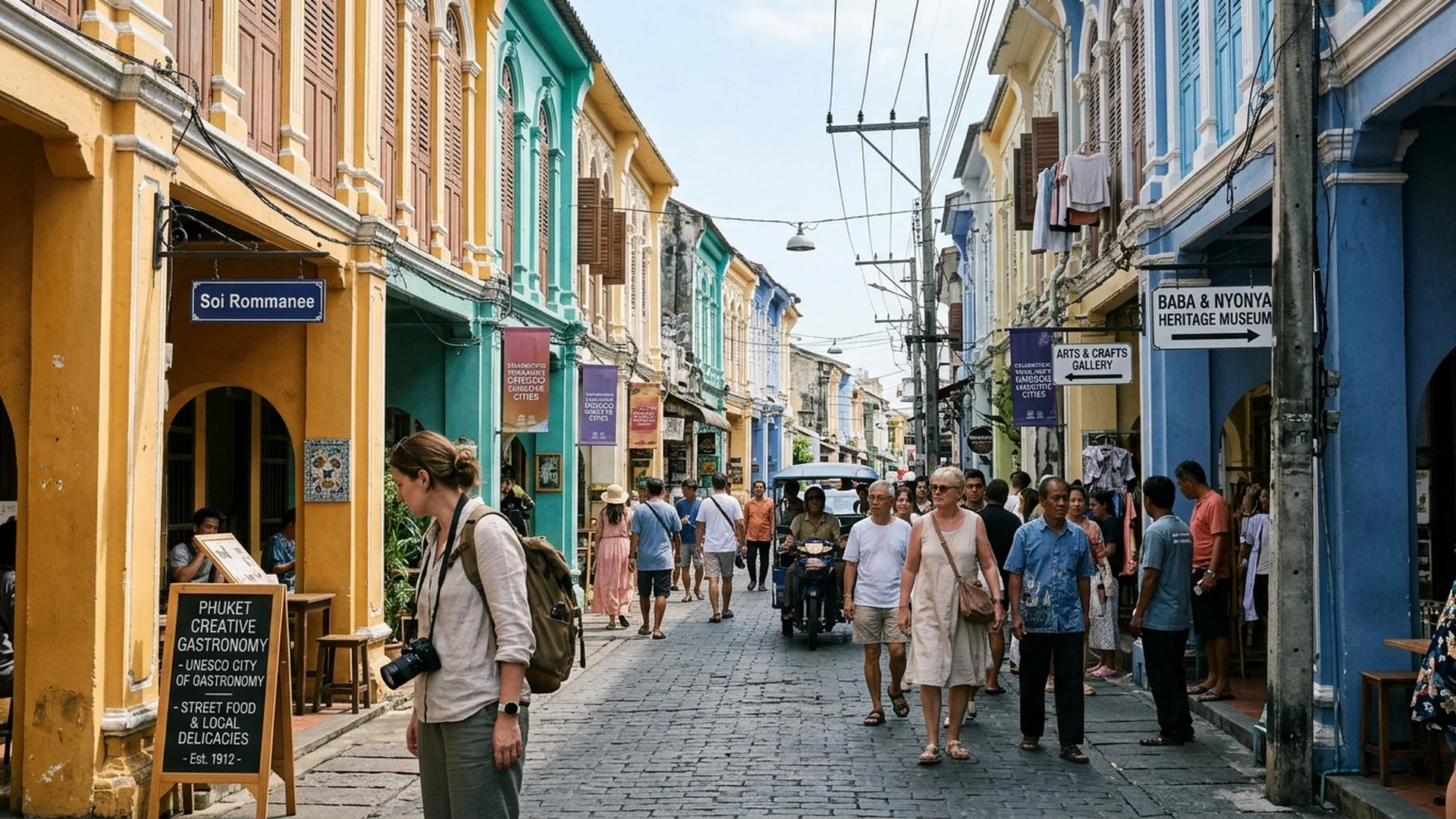
When travel transcends the mere appreciation of physical beauty, it becomes an entry into the living stream of wisdom that pulses through the architecture of a city. Thailand, as a proud member of the UNESCO Creative Cities Network (UCCN), extends an invitation to discerning travelers seeking profound cultural meaning. By fusing time-honored roots with the dynamic energy of contemporary design—from the artisan enclaves of the northern valleys to the deep, nuanced flavors of the southern coasts—each destination chronicles the human story driven by sustainable creativity. To comprehend these urban ecosystems is not merely to plan an itinerary, but to participate in sustaining the cultural heartbeat of the land for generations to come.
Architecture of Time: From Historical Roots to the Creative Metropolis
The intricate fabric of a city recognized by UNESCO is never forged overnight; rather, it is shaped by generations of community life, endurance, and quiet wisdom. In ancient hubs like Sukhothai and Chiang Mai, designated as Creative Cities in Crafts and Folk Art, ancestral legacies of handloom weaving, ceramics, and metallurgy are not sequestered behind glass museum cases. Instead, they remain vibrantly alive within quiet alleyways and family workshops. The perceptive traveler soon realizes that engaging with these living crafts is akin to reading historical manuscripts written through the tactile language of textiles and fired clay, where past and present converge seamlessly.
The Dynamics of Design and Living Space: Creative Districts Driving the Future
In the realm of design, Bangkok and Chiang Rai have demonstrated that creative vision serves as a powerful instrument for urban revitalization and sustainable problem-solving. Creative districts within these thriving metropolises function as cultural laboratories where emerging designers, local residents, and independent artists transform cultural capital into high-value products and services. To wander through these neighborhoods is to witness firsthand the experimental processes and adaptive resilience of a city moving boldly forward without severing its ancient anchors.
Art on the Plate: Flavors That Narrate the Land and Its People
Culinary arts, viewed as tangible cultural heritage, form another pivotal pillar that has welcomed destinations like Phuket and Phetchaburi into the esteemed roster of UNESCO Creative Cities of Gastronomy. Local cuisine is far more than mere sustenance; it is an ecological chronicle reflecting the fertility of soil, water, and climate, as well as complex histories of ethnic blending. Savoring indigenous dishes crafted from seasonal ingredients by local culinary masters and village elders transforms dining into an immersive sensory journey that deepens our understanding of the delicate relationship between humanity and nature.