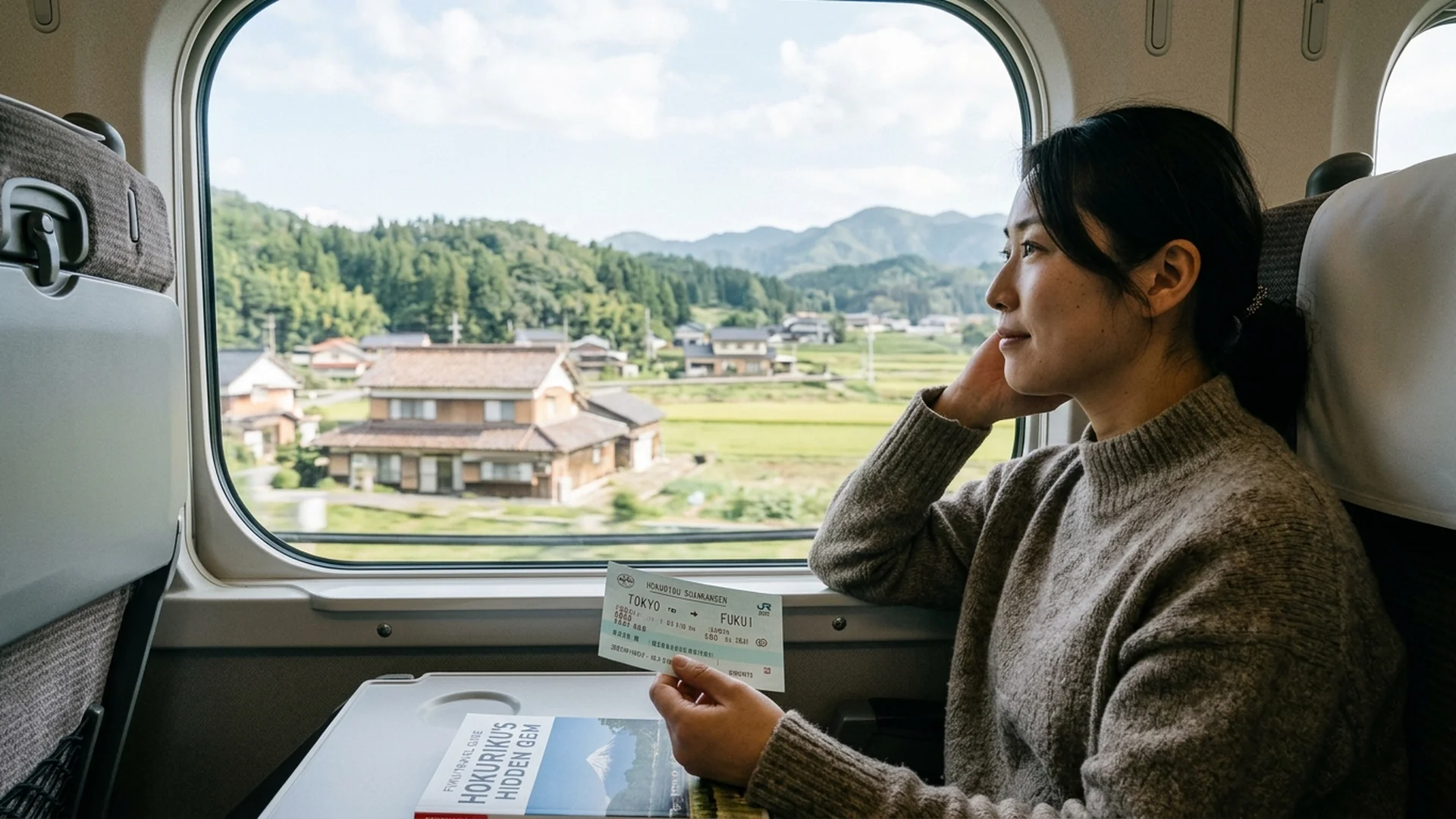
When the Hokuriku Shinkansen effortlessly bridged Tokyo to the mystical Hokuriku region, the gateway to Fukui—long overlooked by mainstream itineraries—swept open. This once-quiet coastal sanctuary has gracefully transformed into an unhurried, mindful destination for discerning travelers seeking profound tranquility and aesthetic elevation.
Fukui transcends ordinary historical sightseeing; it is a living tapestry of meticulous devotion. From the whispering centuries-old pines encircling Eiheiji Temple to the unmatched seasonal delicacy of prized winter crab, every moment here reveals ancient Japanese soulcraft. For the connoisseur of quiet luxury, Fukui offers an intellectually rich, deeply contemplative journey far removed from the clamor of modern tourism.
The Resonant Silence of Zen at Eiheiji Temple
Tucked away within the lush, mist-shrouded cedar valleys of Fukui lies Eiheiji, a monumental Sōtō Zen monastery founded in 1244 by Dōgen Zenji. As incense mingles with the crystalline morning mountain air just beyond the towering Sanmon gate, an immediate, profound stillness envelops the visitor. More than seventy timber structures are seamlessly linked by immaculate, polished wooden corridors where hundreds of monks quietly execute their daily monastic routines with absolute mindfulness. To walk these corridors is not merely to admire medieval ecclesiastical architecture, but to anchor oneself entirely in the present moment, listening to the quiet pulse of centuries past during a guided zazen meditation.
Coastal Royalty: The Epicurean Marvel of Echizen Crab
For the gastronomy enthusiast, Fukui represents an extraordinary culinary vault along the Sea of Japan. Winter brings frigid currents that nurture the legendary Echizen Crab, the definitive monarch of snow crabs. Prized for its plump, exceptionally sweet meat and rich, buttery tomalley, Echizen Crab holds the historical distinction of being the sole crab variety formally presented to the Japanese Imperial Court. Enjoying this delicacy freshly prepared—from pristine sashimi and delicate shabu-shabu to charcoal-grilled perfection—within the intimate confines of a historic seaside ryokan is an elite culinary rite of passage. Complementing the seafood is Echizen Oroshi Soba, handmade buckwheat noodles served in a refreshing dashi broth topped with freshly grated spicy daikon radish.
Primeval Echoes: Dinosaurs and the Raw Beauty of Tojinbo Cliffs
Fukui’s allure extends far beyond spiritual sanctuaries and fine dining into the dramatic epochs of Earth’s prehistory and geology. The Fukui Prefectural Dinosaur Museum, standing as one of the world’s premier paleontological institutions, stuns visitors with its sweeping column-free dome architecture housing authentic fossil skeletons and groundbreaking global research. Traveling toward the rugged coastline, the landscape shifts dramatically at the Tojinbo Cliffs. Here, millions of years of relentless wave action have carved rare, interlocking pentagonal and hexagonal basaltic columns along a jagged kilometer of the Sea of Japan—a magnificent, raw monument to the unbridled power of nature.