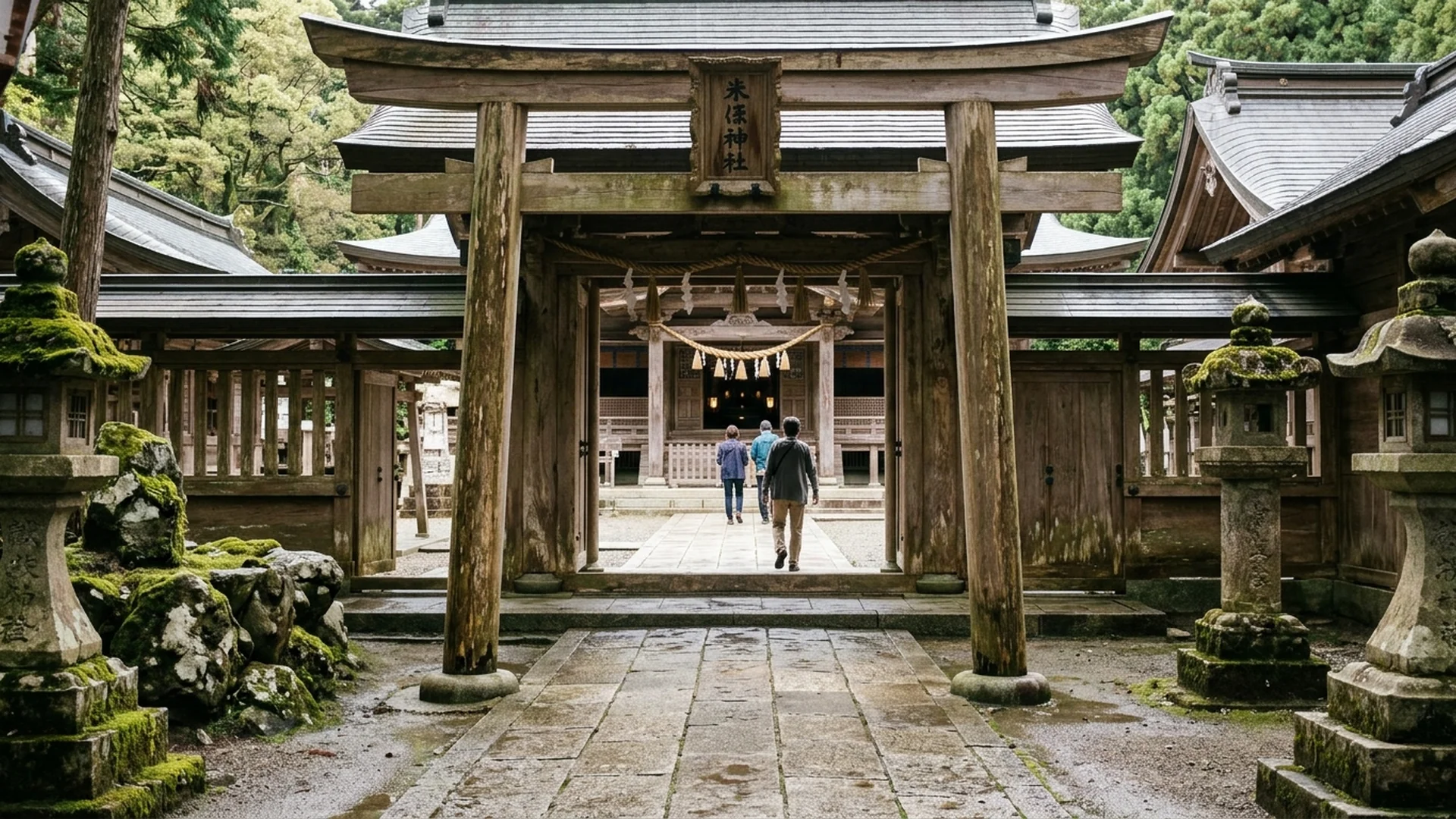
Amidst the tranquil tides of the Shimane Peninsula, sheltered within a quiet, cobalt bay, stands Miho Shrine—the spiritual anchor for mariners and merchants across Japan. As the premier head shrine (Sohommusha) dedicated to Ebisu, the beloved deity of fortune, commerce, and maritime abundance, this sacred sanctuary transcends ordinary holy sites. It is a realm steeped in ancient melody, mythic resonance, and profound spiritual heritage that discerning cultural travelers yearn to experience.
Approaching Miho Shrine feels akin to stepping backward into an era when seafaring was the lifeblood of Japanese civilization. Beneath the canopy of ancient evergreen trees and the rhythmic sigh of crashing waves, the gentle chime of bronze bells and centuries-old chants echo an eternal bond between humanity, the divine, and the sea. Particularly entwined with the legendary narratives of Izumo Taisha, this sacred ground gives birth to a solemn pilgrimage tradition practiced since antiquity.
The Genesis of Ebisu and the Architectural Elegance of Miho-zukuri
Miho Shrine enshrines two principal deities: Kotoshironokushi-no-Mikoto—universally revered as Ebisu, typically depicted holding a fishing rod and red sea bream—and Mihotsu-hime-no-Mikoto, the divine consort of Okuninushi. According to ancient lore, the deity of fishers and merchants holds a deep affinity for music and coastal bounty, instilling the shrine grounds with a serene yet joyous atmosphere.
Architecturally, the main structures of Miho Shrine are extraordinary, serving as the archetype for the ‘Miho-zukuri’ (or Hatsu-tensha-zukuri) style. This distinctive design unites two parallel sanctuary buildings side by side, facing the same direction beneath a unified sweeping roof. The meticulous craftsmanship of antique timber carvings and harmonious landscape design allows the sacred precinct to merge seamlessly with its coastal environment, reflecting a profound ancestral reverence for nature and maritime spirits.
The Ryomairi Tradition: A Dual Pilgrimage for Ultimate Spiritual Resonance
For devoted seekers and cultural travelers, a journey to Miho Shrine reaches its zenith through the practice of ‘Ryomairi’—the dual pilgrimage linking Izumo Taisha and Miho Shrine. Because the presiding deities of these two monumental sanctuaries share deep ancestral ties as father and son, or as guardians of Izumo’s land and sea trade, their spiritual domains are viewed as inextricably linked.
Traditional belief holds that after offering prayers at Izumo Taisha for overarching destiny and human bonds, a pilgrim must journey onward to Miho Shrine to close the sacred circle. This final leg ensures the petitions achieve absolute potency, harmonizing earth and water, sky and sea. Traversing between these two shrines transcends mere geography; it is an introspective voyage uniting the ancient mythos of Izumo with the living present.
A Sanctuary of Sacred Music and Centuries-Old Treasuries
Another dimension distinguishing Miho Shrine is its esteemed designation as a sanctuary of music. Inside the shrine’s repository lie over 900 classical instruments, including transverse flutes, ceremonial drums, and ancient stringed instruments, many cataloged among the nation’s vital cultural properties. These artifacts once resonated through sacred rituals and musical offerings dedicated to the deities.
Twice a year, on April 7th and October 12th, the shrine hosts grand sacred festivals such as ‘Aofuri Shinji’ and ancient music recitals. These celebrations honor the enduring belief that music acts as a divine bridge connecting the mortal realm and the heavens. The reverberation of bells and traditional melodies carried over the sea breeze evokes an otherworldly serenity, transporting visitors into a timeless sacred sphere.
Pacing the Blue Stone Path of Aoishidatami-dori and Mihonoseki Port
Upon stepping beyond the sacred boundaries of the shrine, the surrounding atmosphere unfolds into the timeless grace of the historic port town of Mihonoseki. A narrow coastal lane known as ‘Aoishidatami-dori’ is paved with deep blue volcanic stone slabs. When kissed by coastal mist or ocean spray, these stones ignite with captivating shades of emerald and dark azure.
Flanking the path stand impeccably preserved Edo-period merchant houses, timber godowns, and local artisan shops maintaining their original architectural integrity. Strolling along this blue stone lane, breathing in the briny sea air, and listening to the muted rhythm of waves washing ashore offers a profound sense of tranquility, dissolving the restless momentum of the modern world.