When The New York Times designated the quiet northern enclave of Morioka as the second-best destination in the world to visit—second only to London—global travel underwent a quiet paradigm shift. The relentless race to check off urban landmarks yielded gracefully to the aesthetics of meaningful wandering. Morioka offers no frantic spectacles; instead, it envelopes the traveler in the delicate morning mists rolling off Mount Iwate, the harmonious confluence of Western and Eastern design within its Taisho-era architecture, and a rhythm of life that remains deeply anchored in ancestral traditions.
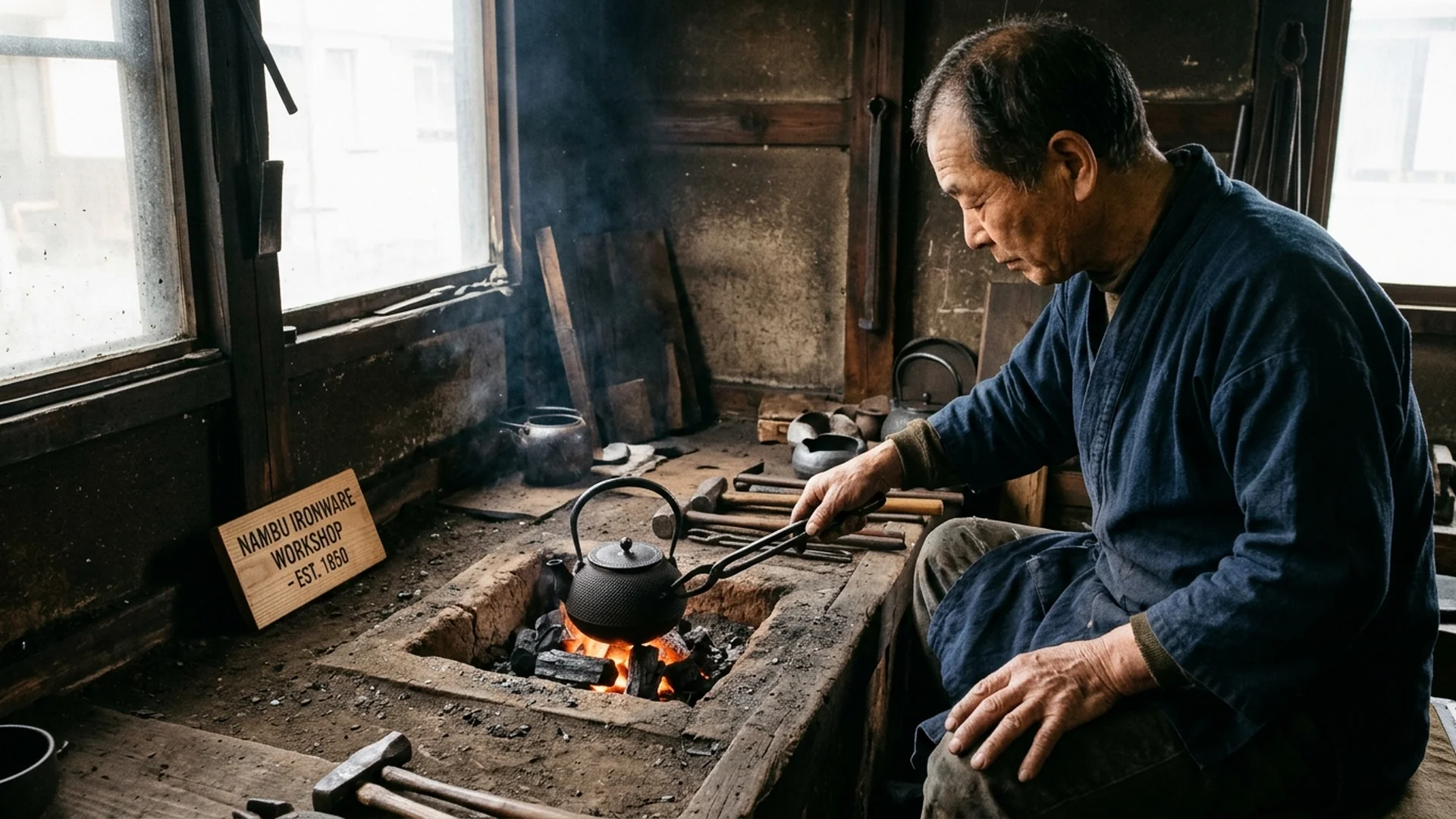
Here, time unfurls at a measured, unhurried pace, inviting all senses to awaken to the nuanced textures of daily existence. One hears the rhythmic strike of a hammer against glowing molten iron, breathes in the rich aroma of artisanal roast coffee from legendary independent roasters, and savors the pristine elasticity of heritage wheat noodles. A journey to Morioka is far more than a change of geography; it is a restorative return to inner stillness, preserved intact amidst the majestic natural splendor of Iwate Prefecture.
Architecture and the Passage of Time: From Feudal Castles to Red-Brick Taisho Elegance
An exploration of Morioka naturally begins upon the historic grounds of the Morioka Castle Ruins, known locally as Iwate Park. Dark gray granite ramparts stand in silent fortitude amidst centuries-old trees that shift their canopy colors with the turning seasons, silently echoing the centuries of governance under the Nambu clan. From the highest vantage point of the park, sweeping vistas unfold toward Mount Iwate, revered by locals as the ‘Fuji of the North.’
Just beyond the former moat lies the Former Iwate Bank Red Brick Building, an architectural masterwork conceived by Kingo Tatsuno, the visionary architect behind Tokyo Station. This Renaissance-revival structure, crowned with copper domes, stands as a proud testament to the Taisho era when Morioka flourished as a bustling hub of commerce and industry. A contemplative stroll through the historic quarters soon reveals Nanshousou, a traditional heritage villa poised gracefully along the Kitakami River, where classical Zen gardens capture the interplay of light and shadow across every changing season with flawless precision.
The Soul of Craftsmanship: The Ringing Anvil and the Art of Nambu Tekki
If the heartbeat of Morioka is its dedication to slowness, its soul unquestionably resides within the meticulous hands of its master artisans. Foremost among these traditions is Nambu Tekki, the prefecture’s celebrated cast-iron craft. These kettles and vessels are far from mere kitchenware; they represent elevated sculptural art demanding extraordinary mastery over thermal control and the signature pebbled surface texture known as Arare. When water is boiled within a Nambu iron kettle, the infinitesimal minerals released into the water enrich and soften the tasting notes of fine teas in a subtle, miraculous alchemy.
A pilgrimage to the Morioka Handcrafts Village opens a portal to a realm where the clock ticks differently. Here, masters of ancient wisdom preserve traditions ranging from Morioka Sakiri textile weaving to woodworking and blacksmithing. Discerning visitors can spend hours in quiet dialogue with master craftspeople, tracing the textured surfaces with their fingertips and absorbing the hundreds of hours of devotion hidden beneath the deceptive simplicity of each handmade piece.
Global Coffee Culture and the Aesthetics of Heritage Noodles
One of Morioka’s most delightful revelations is its standing as a capital of specialty coffee culture and vintage jazz establishments. Tucked away amongst classical streetscapes, independent sanctuaries like Nagasawa Coffee operate less as commercial cafes and more as aromatic laboratories. Here, the proprietor roasts beans with uncompromising precision, sourcing premier harvests from across the globe and extracting them with profound intuition. The aromatic warmth lingering inside these wood-paneled rooms is nothing short of paradise for caffeine aficionados.
In the culinary realm, Morioka proudly holds its title as a City of Noodles, defined by three remarkably distinct regional specialties: Wanko Soba, a playful tradition of bite-sized portions served in miniature bowls replenished with cheerful hospitality; Morioka Reimen, a refreshing chilled noodle dish featuring springy, translucent strands immersed in a refined beef bone broth and garnished with seasonal fruit like watermelon or Asian pear; and Morioka Jajamen, flat noodles coated in a rich, savory miso-based sauce that finishes with the addition of a beaten egg and hot broth poured directly into the dish to create a comforting concluding soup. It is an extraordinary culinary tapestry where playfulness and heritage entwine seamlessly.